

 Angelique Robb
1 min read
In South Florida, where development and delicate ecosystems often exist in uneasy proximity, a new residential community is offering a compelling alternative narrative—one in which nature is not an obstacle to be managed, but the foundation of design.
Natura Gardens, an award-winning residential development in Boca Raton, is built around a simple yet radical idea: let the land lead. At the heart of the project lies more than 10 acres of protected wetlands, a living system that shapes every pathway, amenity, and moment of daily life within the community. Rather than pushing the wetlands to the margins, the design brings residents to its edge—close enough to experience its beauty, rhythm, and ecological importance, but thoughtfully distanced to ensure its long-term protection.
Behind this vision is Landscape Design Workshop, led by Cofounder and Director Jenifer Bar-Nur, whose firm has spent nearly two decades shaping South Florida’s urban and residential landscapes. For Bar-Nur, Natura Gardens represents not just a successful project, but a culmination of values her team has refined over years of collaborative, ecology-driven design.
A Practice Rooted in Collaboration
Founded in 2007 and based in Boca Raton, Landscape Design Workshop specializes in landscape architecture and urban planning, with a portfolio spanning large-scale master-planned communities to multifamily residential developments. What distinguishes the firm is not a singular aesthetic, but a consistent philosophy: landscapes should bring people together—with each other and with nature.
“We’re very focused on creating environments that encourage connection,” Bar-Nur explains. “That means connection to place, connection to community, and connection to the natural systems that already exist.”
That philosophy is reinforced by long-standing partnerships. Natura Gardens was developed in collaboration with Terra Group, a developer with whom Landscape Design Workshop has worked repeatedly, alongside PPK Architects and specialized wetland consultants. Years of shared experience meant that collaboration was fluid and trust was established early.
“When you work with the same teams over time, communication becomes easier,” Bar-Nur says. “Everyone understands what the other disciplines need, and that allows the work to reach a higher level.”
At Natura Gardens, this collaboration proved essential—because the site itself demanded restraint, creativity, and shared respect.
Honoring the Ecosystem
The first visit to Natura Gardens revealed what Bar-Nur describes as “the heart of the site.” An expansive wetland bordering much of the property wasn’t just a regulatory consideration, but an emotional and visual anchor.
“It stood out in a way that told us everything else should be designed around it,” she adds.
The development encompasses roughly 40 acres, with approximately 10 acres dedicated to wetlands and 30 acres designated for residential buildings and amenities. While a wetland consultant oversaw the preservation and restoration of the protected area, Landscape Design Workshop was responsible for integrating the surrounding community in a way that honored the ecosystem rather than disrupting it.
Designing at the Edge, Not Within
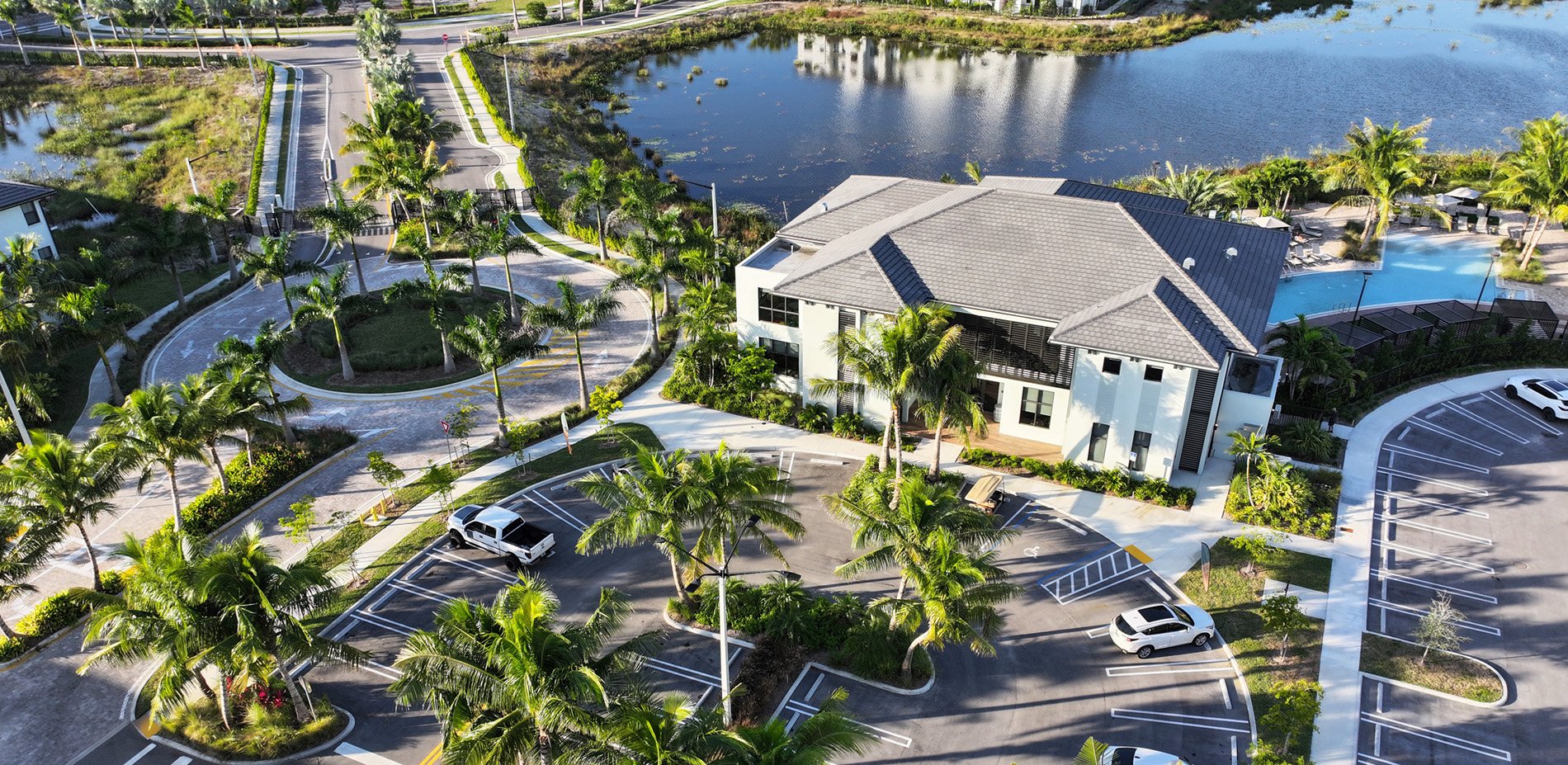
The guiding question became: How can residents experience the wetlands as part of daily life—without causing harm? And the answer lay in proximity without intrusion. Rather than placing amenities inside the wetland, the design positions social and recreational spaces along its edge, creating constant visual and sensory engagement while preserving ecological integrity.
The experience begins at the entrance. Instead of a conventional roadway cutting through the site, residents enter via a raised road that passes through the wetlands. This subtle move transforms arrival into a moment of immersion—an immediate reminder that nature, not architecture, sets the tone.
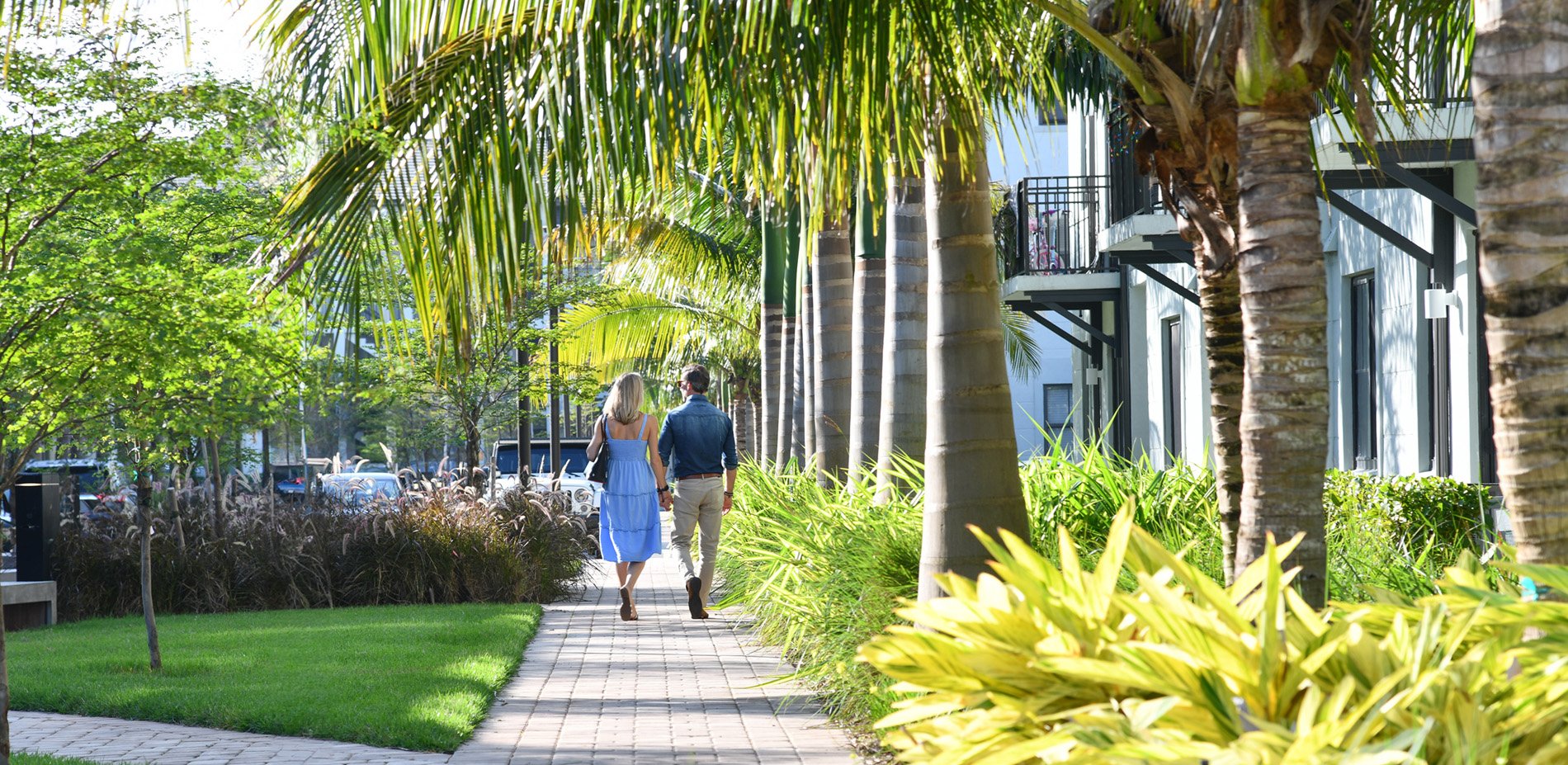
Once inside the community, a linear green spine connects buildings, amenities, and gathering spaces, all oriented toward the wetlands. The layout encourages walking, chance encounters, and outdoor living, reinforcing a sense of shared space.
“Everything was positioned to surround and relate back to the wetland,” Bar-Nur explains. “We wanted people to feel connected to it without ever stepping into it.”
Amenities That Reflect the Landscape
Every major amenity at Natura Gardens is designed to echo the natural surroundings. A playground is centered around a mature gumbo limbo tree, whose broad canopy provides shade while referencing the hardwood hammocks of the Everglades. Pools, cabanas, and a raised jacuzzi are aligned along the wetland edge, offering uninterrupted views of native vegetation and wildlife.
Even the dog park—a staple of modern residential communities—was intentionally placed near the wetlands, transforming a routine activity into an encounter with nature.
Planting choices further blur the line between built and natural environments. Royal palms line the central linear park, while live oaks and native grasses populate parking areas, reinforcing continuity between the developed landscape and the wetland beyond.
“Using native species was critical,” Bar-Nur notes. “They require less irrigation, less maintenance, and they support the existing ecosystem rather than competing with it.”
Respecting Indigenous Heritage
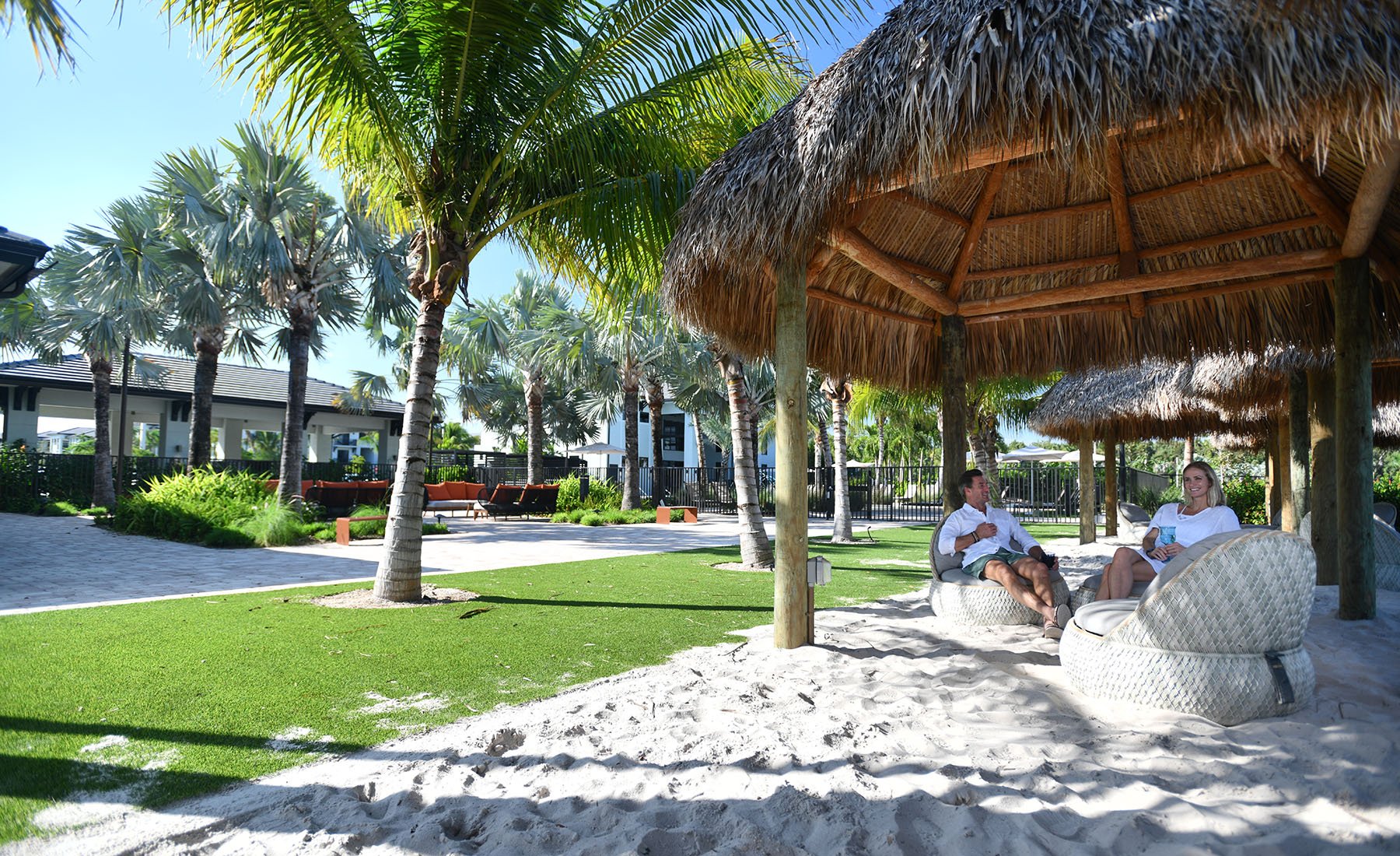
One of Natura Gardens’ most distinctive features is its series of traditional chickee huts—open-air wooden structures with thatched roofs historically used by the Seminole Tribe. Positioned along the wetlands, these structures serve as shaded gathering areas while acknowledging the cultural history of the land.
Recognizing the deep connection between the Seminole people and South Florida’s wetlands, Landscape Design Workshop invited members of a local Seminole tribe to help build the huts using traditional methods.
“It was important to us to honor the indigenous heritage of the area,” Bar-Nur says. “The Seminole people lived in and around these wetlands for generations. Bringing that history into the project felt both respectful and meaningful.”
While the huts were constructed using traditional techniques, the design team worked closely with tribal builders to ensure modern safety codes were met. The result is a series of authentic, functional structures that add cultural depth to the community.
Surrounding the huts, sand and seating areas create a relaxed, resort-like atmosphere—inviting residents to sit near the water, listen to wildlife, and slow down.
Spaces for Every Kind of Gathering
Beyond aesthetics, Natura Gardens was designed to support a wide range of social experiences. Quiet moments and communal celebrations coexist seamlessly.
The beach-entry pool encourages casual interaction, while cabanas and shaded seating offer more private retreats. A summer kitchen and outdoor dining terrace invite residents to cook and gather outdoors, extending living spaces beyond their homes. A fountain adds sound and movement, creating a sensory focal point even for those who prefer to stay dry.
Children gather at the playground beneath the gumbo limbo tree, while pet owners connect at the dog park. Together, these spaces form a network of daily touchpoints—places where neighbors naturally cross paths.
“We know a project is successful when people choose to spend time outside,” Bar-Nur reflects. “When amenities become part of daily routines, not just special occasions.”
A Living, Thriving Ecosystem
Equally important is what residents don’t see: the wetland itself, thriving undisturbed. For Bar-Nur, seeing native vegetation flourish and wildlife return is one of the most rewarding measures of success.
“The fact that the wetland is healthy tells us we did our job,” she says. “It means the balance between development and preservation is working.”
This balance has earned Natura Gardens significant recognition, including honors from the Architecture MasterPrize and Muse Design Awards—affirmation that environmentally sensitive design can also achieve architectural and aesthetic excellence.
Lessons for the Industry
After nearly 20 years in practice, Bar-Nur believes the lessons of Natura Gardens extend beyond a single project.
“The most important thing is letting the site guide the design,” she says. “Too often, places are designed to look good in renderings but not to be truly experienced.”
She emphasizes designing for longevity—using durable materials, native plants, and flexible spaces that evolve over time. Equally critical is early collaboration across disciplines, ensuring landscape architects have a voice from the outset rather than being brought in late.
“Landscape should never be an afterthought,” Bar-Nur adds. “When it leads the design, everything feels more cohesive.”
While large sites like Natura Gardens offer unique opportunities, she notes that the same principles apply to smaller, denser projects. The key is scale—adapting ideas rather than abandoning them.
“You can still create meaningful spaces on a pool deck or rooftop,” she explains. “It’s about understanding who lives there and giving them places to connect, rest, and gather.”
Designing for the Future
In a region increasingly defined by climate challenges, Natura Gardens offers a hopeful model that respects the land while enhancing human experience. By centering wetlands rather than fencing them off, the project educates residents about their importance as flood protectors, wildlife habitats, and living systems.
“Land should always be treated as precious,” Bar-Nur says. “Whether there’s a wetland or not, every site has value that deserves respect.”

 SYNKD Writer
.jpg)
1 min read
Natural Stone vs. Concrete Pavers
Landscape professionals have always considered cost, aesthetics, and performance when selecting hardscape materials and installation methods. But...