

 Angelica & Matt Norton
1 min read
The mistake that became my best lesson
I’ve been in the green industry for over 30 years—and I’ll say this upfront: I’ve made a lot of mistakes. Not small ones, either. The kinds that cost...
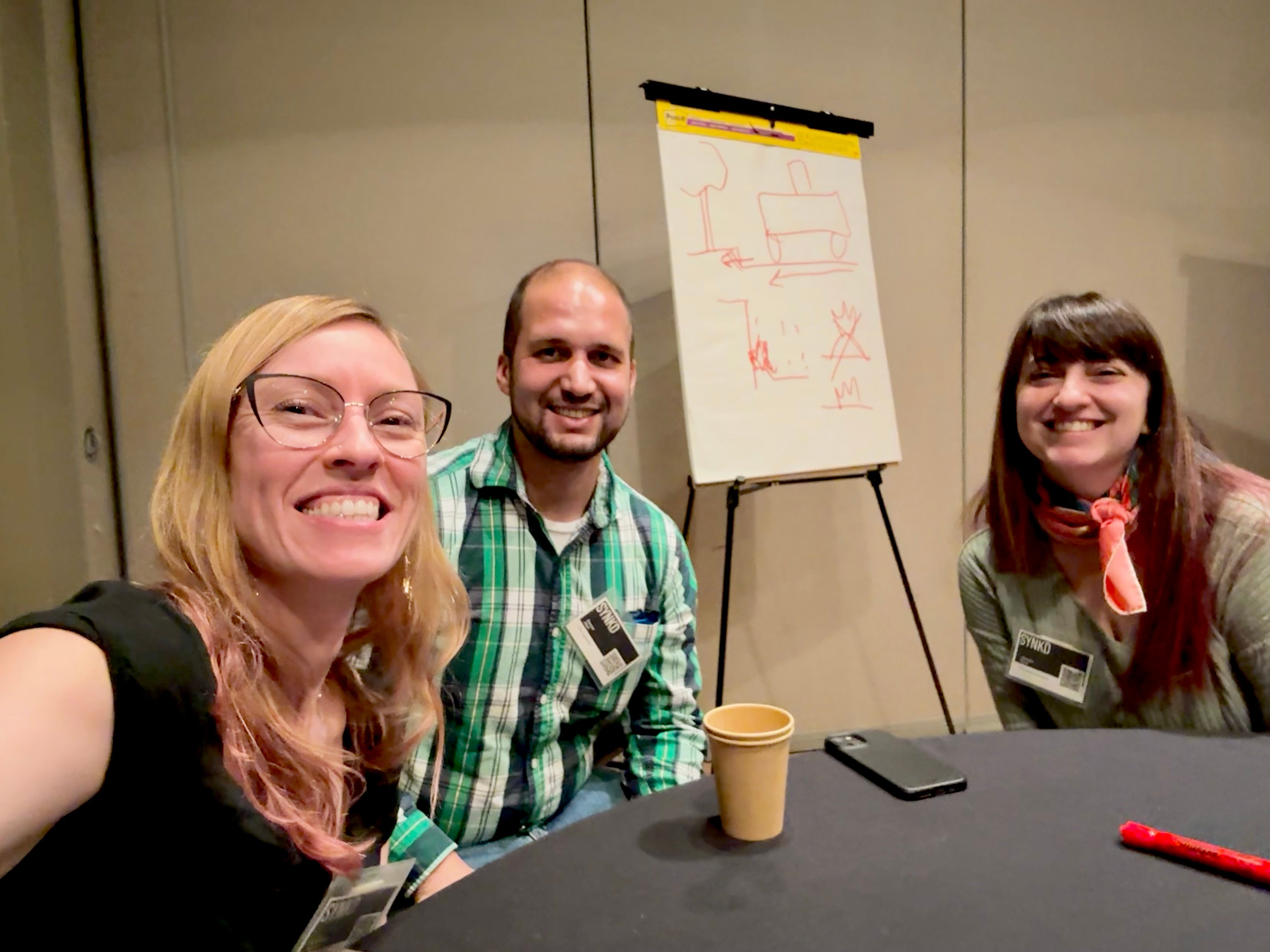
We had the opportunity to lead a panel with Damon Abdi, PhD, and Danielle Duhe, PLA, focused on designing with maintenance in mind. Nearly every topic led back to the same core idea: setting clear expectations with clients. Whether it’s talking about maintenance budget in the design phase, being honest about the difference between “mow-and-blow” upkeep and high-touch, boutique hotel-level care, or addressing the disconnect that often happens when handing off a finished project to a homeowner who then has to coordinate with a maintenance crew, the earlier and more clearly expectations are set, the better for the client, landscape architect, and maintenance team.
Can speed, high skill, and good communication exist at a lower price point when bespoke gardening isn’t feasible? We’ve all had clients say they don’t have a maintenance budget while pointing to highly cultivated inspiration. One suggestion to adjust expectations was to use a maintenance calculator, with line items ranging from square footage of sod to individual plant care, to help quantify what that iteration of design actually requires. This approach works especially well for large-scale projects where adjusting inputs has a huge impact on annual cost.
On smaller projects, it makes sense to simplify: larger massings of fewer species, and durable plant palettes that can withstand increasingly common cycles of drought and freeze. This reinforces that planting is intentional—not something to be mistaken for a weed.
Is there such a thing as a “no-maintenance landscape?” Platforms like Pinterest are great for communicating aesthetic direction to the landscape architect, but they can also create unrealistic expectations. Many reference images show commercial, civic, or high-end residential projects that are maintained weekly.
It’s important to have that conversation up front that every landscape will need some level of care, whether that’s watering, mowing, seasonal cutbacks, weeding, or managing leaf drop. That’s not to say all clients are maintenance-averse, but their bar may be too high. The goal isn’t to lower expectations, but to help define a middle ground, which should be a consideration during design.
When the designer and builder leave, who is responsible for carrying the design intent forward? The panel’s consensus was that we must collaborate early to overcome that disconnect. Deliverables like a simplified maintenance plan or scheduled seasonal site visits from the designer help smooth the transition from design to installation to long-term care. It also allows for more sustainable planning around irrigation levels and intended mature plant habit (avoiding over-sheared “meatball” shrubs), while encouraging each area of expertise to shine.
Ultimately, having honest conversations about a realistic maintenance budget, frequency of care, and who will be responsible for upkeep manages expectations and leads to better outcomes. Those decisions don’t just support the landscape after it’s built; they actively inform the design process from the beginning.
Angelica Norton, PLA, ASLA
Owner
Open Envelope Studio LLC
angelica@openenvelopestudio.com
1 min read
I’ve been in the green industry for over 30 years—and I’ll say this upfront: I’ve made a lot of mistakes. Not small ones, either. The kinds that cost...
1 min read
Beyond the Bottom Line: Building Trust Through Budget Conversations The Landscape Designer’s Perspective: Handling Challenges With Confidence is a...
1 min read
What we learned, what we gained, and why we are not going back