

 Angelique Robb
3 min read
Brooklyn Botanic Garden Earns AGZA Cert
 Press Release : Aug 1, 2025, 12:09:16 PM
BROOKLYN, NEW YORK – (JULY 10, 2025) Brooklyn Botanic Garden, American Green Zone Alliance (AGZA), and Quiet Communitiescelebrated a...

There’s a hard truth many maintenance business owners don’t want to admit: scaling up isn’t always the answer. For Tom and Tracie O’Brien, owners of Oxford Lawn in Wildwood, Florida, that realization didn’t come from theory—it came from experience. After building a traditional lawn maintenance company with hundreds of clients and a full team, they found themselves facing shrinking margins, rising costs, and a business model that wasn’t sustainable. So they did something counterintuitive. By scaling down, they ironically built something far more scalable and better for the Earth.
Oxford Lawn didn’t start as a soil-first company. Like many in the industry, it began as a mowing operation, growing to nearly 500 clients with multiple crews and trucks. But as operational complexity increased, profitability moved in the opposite direction. “The bigger you get, the more the headaches were,” Tom explains. “Costs went up, margins went down, and it just wasn’t going in the direction we wanted.” Their pivot was a mindset shift. Instead of competing in a crowded, price-sensitive mowing market, they focused on a niche: topdressing with compost.
Topdressing is often viewed as an add-on service, but Oxford Lawn built an entire business around it. They recognized that if the soil is broken, nothing above it works. Modern construction practices strip away nutrient-rich topsoil, replacing it with compacted fill that lacks organic matter. It creates a system that relies heavily on irrigation, synthetic fertilizers, and reactive treatments. Oxford Lawn takes the opposite approach—rebuilding soil from the ground up using compost, aeration, and natural amendments. Their process mimics what farmers have done for thousands of years. They’re taking existing turf, using specialized equipment and repeatable systems to amend soil to restore structure, microbial life, and nutrient retention.

Oxford Lawn proves sustainability is a competitive advantage. Their soil-first approach delivers measurable outcomes:
In other words, better soil helps the environment while at the same time improving client results and retention. And that’s where profitability follows. Recurring soil health programs built around ongoing applications create predictable revenue without the labor intensity of traditional maintenance models. “You’re not just trying to keep grass alive with water,” Tom explains. “You’re building a system that feeds itself.”
Here’s where the story shifts from regenerative practices to business strategy. Oxford Lawn didn’t just change what they do; they transformed how they do it. Early on, topdressing meant manual labor. Shoveling compost in Florida heat, one yard at a time. It wasn’t scalable. Then they found the right equipment and invested. Bulk material handling systems, conveyor-fed trailers, and specialized topdressers eliminated the bottleneck of manual labor. What once required a large group of workers could now be done efficiently by a small team, resulting in more output and higher margins. “It’s a premium service,” Tom notes. “But people recognize the value, and we’re not struggling for customers.” Automation amplified their craftsmanship.
Within three months of focusing on topdressing, Oxford Lawn was fully booked and could not take on any new clients. No massive ad spend or complex sales funnels. Just visible results, word-of-mouth, and a service that solved real problems. Neighbors noticed, and streets filled up with repeat jobs. The business grew organically because the results were undeniable. That growth gave them the confidence to make a bold move: they sold off their mowing division entirely. What remained was leaner, more focused, and far more profitable.
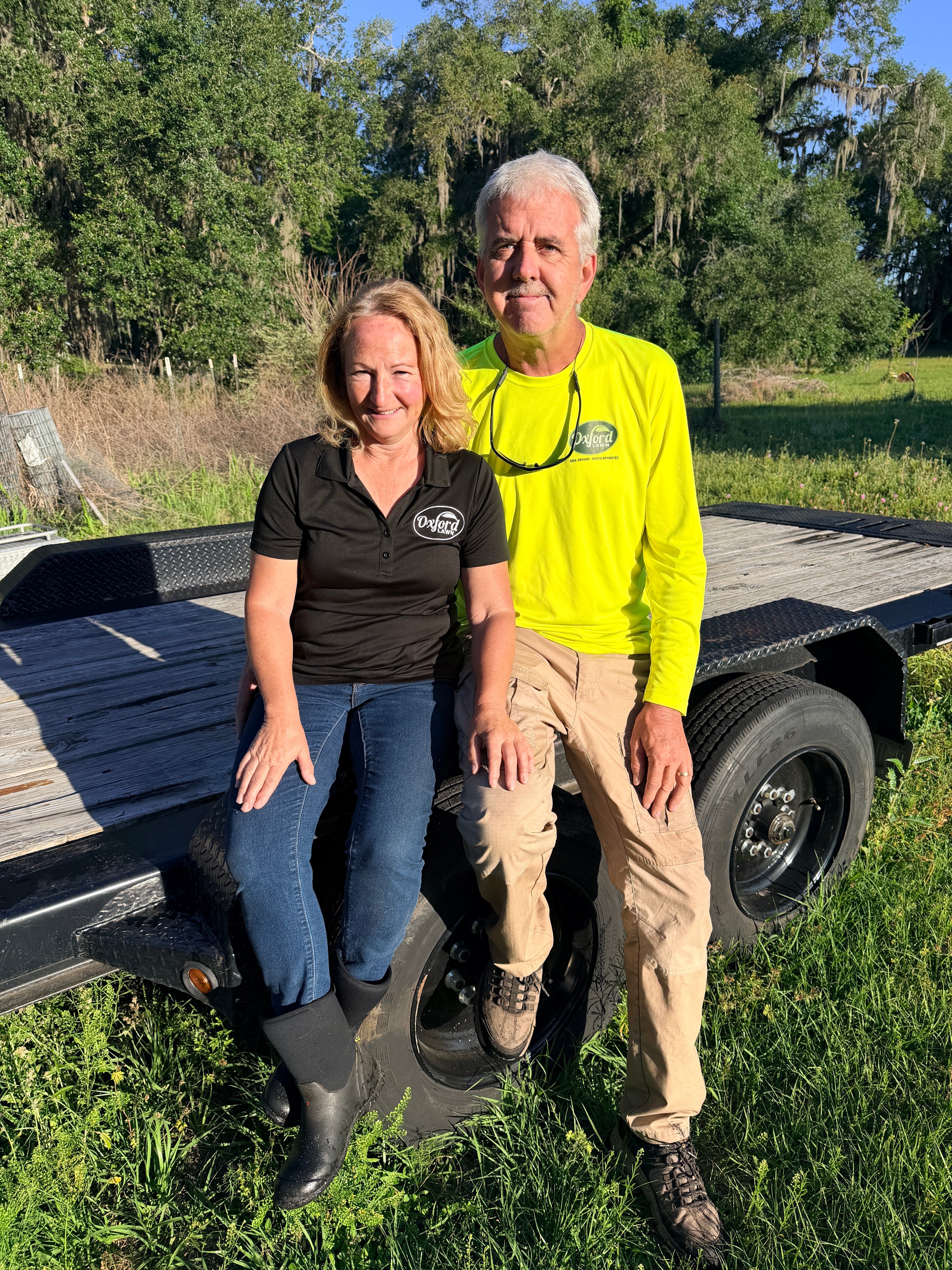
Today, Oxford Lawn is taking the next step to franchise its system. Not because they want to expand for expansion’s sake, but because they see a widespread industry problem: too many contractors stay stuck in low-margin, labor-heavy models with no clear path forward. “There’s a way out,” Tom says. “Get into specialty work. Make the investment. Set yourself up right.” Their franchise model packages everything. It’s a fully built business model designed for efficiency and growth.
What Oxford Lawn has built goes beyond landscaping. It’s a case study in what happens when regenerative practices meet operational intelligence. At a time when water scarcity, chemical runoff, and soil degradation are becoming national concerns, businesses that address these issues aren’t just doing good—they’re positioning themselves ahead of the market. And for maintenance professionals, this is especially relevant. Many are searching for ways to:
This model checks every box.
The question isn’t whether regenerative practices work. The question is, why aren’t more businesses built around them? Oxford Lawn offers a clear answer and a challenge. Rethink the model, invest in systems, and focus on the soil. Because the future of this industry is about doing the right work smarter and with lasting impact.
If you’re a business owner feeling the pressure of rising costs, shrinking margins, and unsustainable growth models, this is your roadmap. You can build a small, efficient operation with a premium service. One that improves the environment while at the same time increasing your profitability. If you’re ready to be part of it, Tom and Tracie O’Brien are already building the path forward.
Tom O’Brien
Owner
Oxford Lawn
Wildwood, Florida
tom@oxfordlawn.com
(352) 446-3497
https://oxfordlawn.com/

3 min read
Press Release : Aug 1, 2025, 12:09:16 PM
BROOKLYN, NEW YORK – (JULY 10, 2025) Brooklyn Botanic Garden, American Green Zone Alliance (AGZA), and Quiet Communitiescelebrated a...
JS37.jpg)
1 min read
SYNKD Writer : Aug 6, 2025, 2:03:16 PM
Making Waves: How Smart Aquatics Is Rewriting the Rules of Outdoor Living
1 min read
 Angelique Robb : Apr 20, 2026, 11:40:28 AM
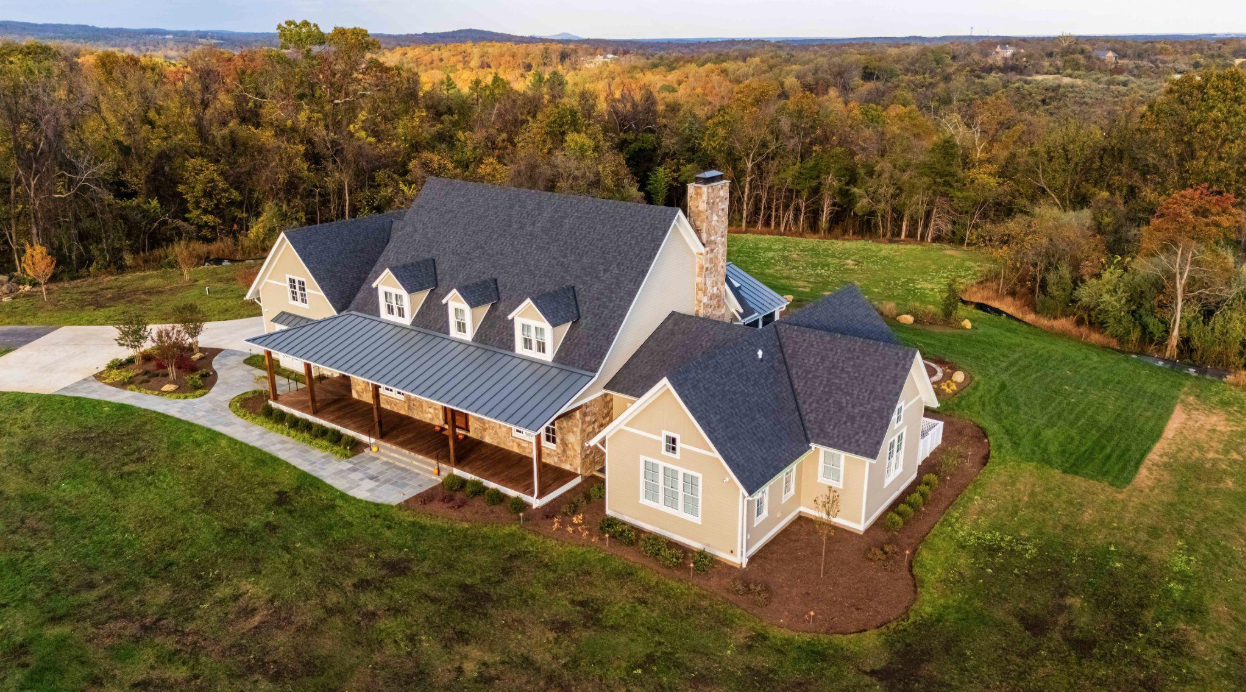
A collaborative approach results in a relaxing retreat just minutes from the nation’s capital. A successful landscape project requires two key...