 Angelique Robb
1 min read
Managing Maintenance Expectations
 Angelica & Matt Norton : Jul 28, 2026, 9:24:09 AM
Highlights from our SYNKD Live panel bringing landscape architects together with maintenance professionals
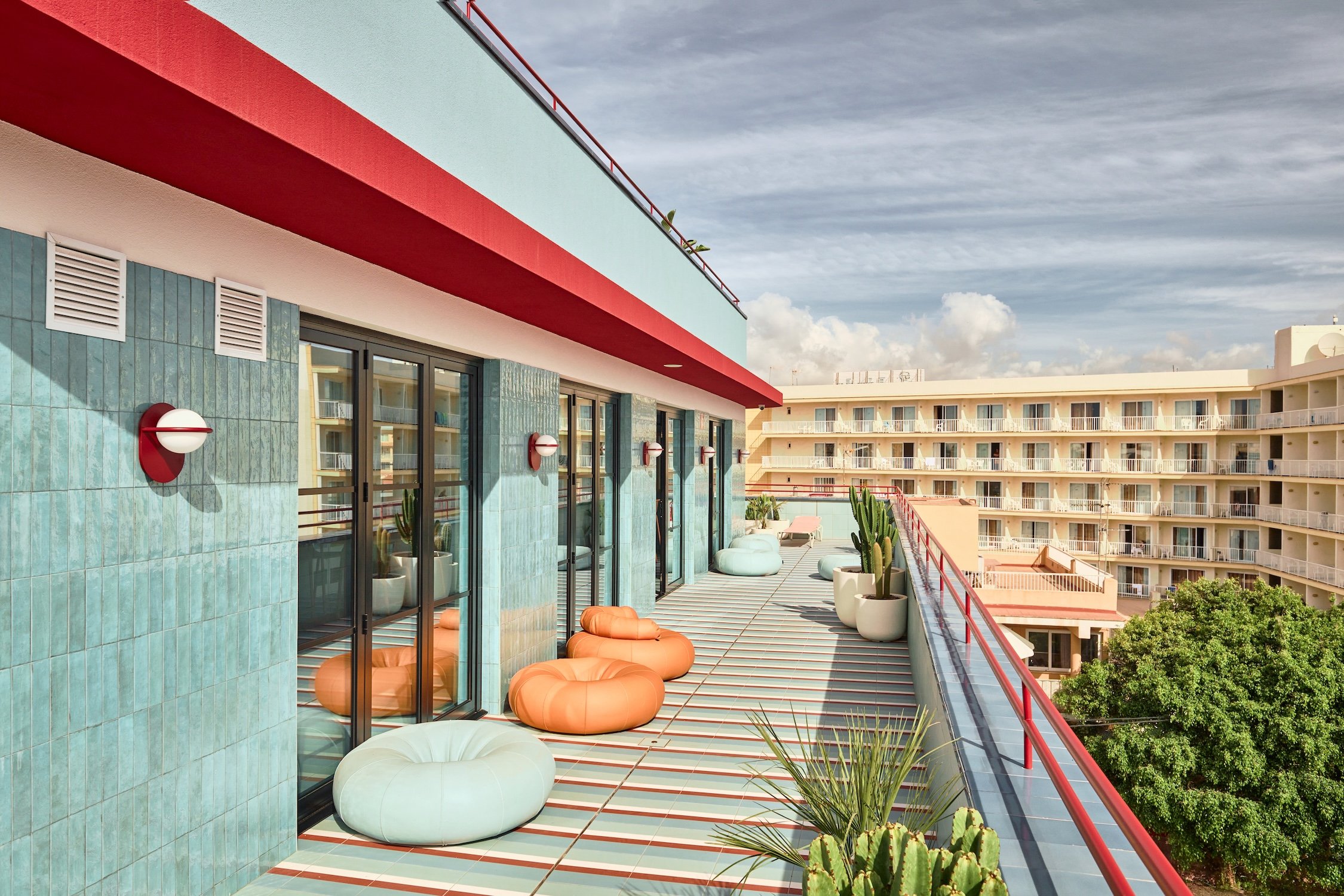
I’ve been using porcelain since the early 2000s in the UK, when it was more of a challenge than a solution. It was tough to cut, nearly impossible to cut well onsite, and we were told it had to be installed over a concrete pad. It worked, but it wasn’t easy, flexible, or scalable. That’s no longer the case. Today’s porcelain is one of the most advanced materials in exterior design and build. It delivers what every project demands: beauty, resilience, and low long-term maintenance. It resists stains, fading, and moisture, making it ideal for clients who want performance without ongoing upkeep.
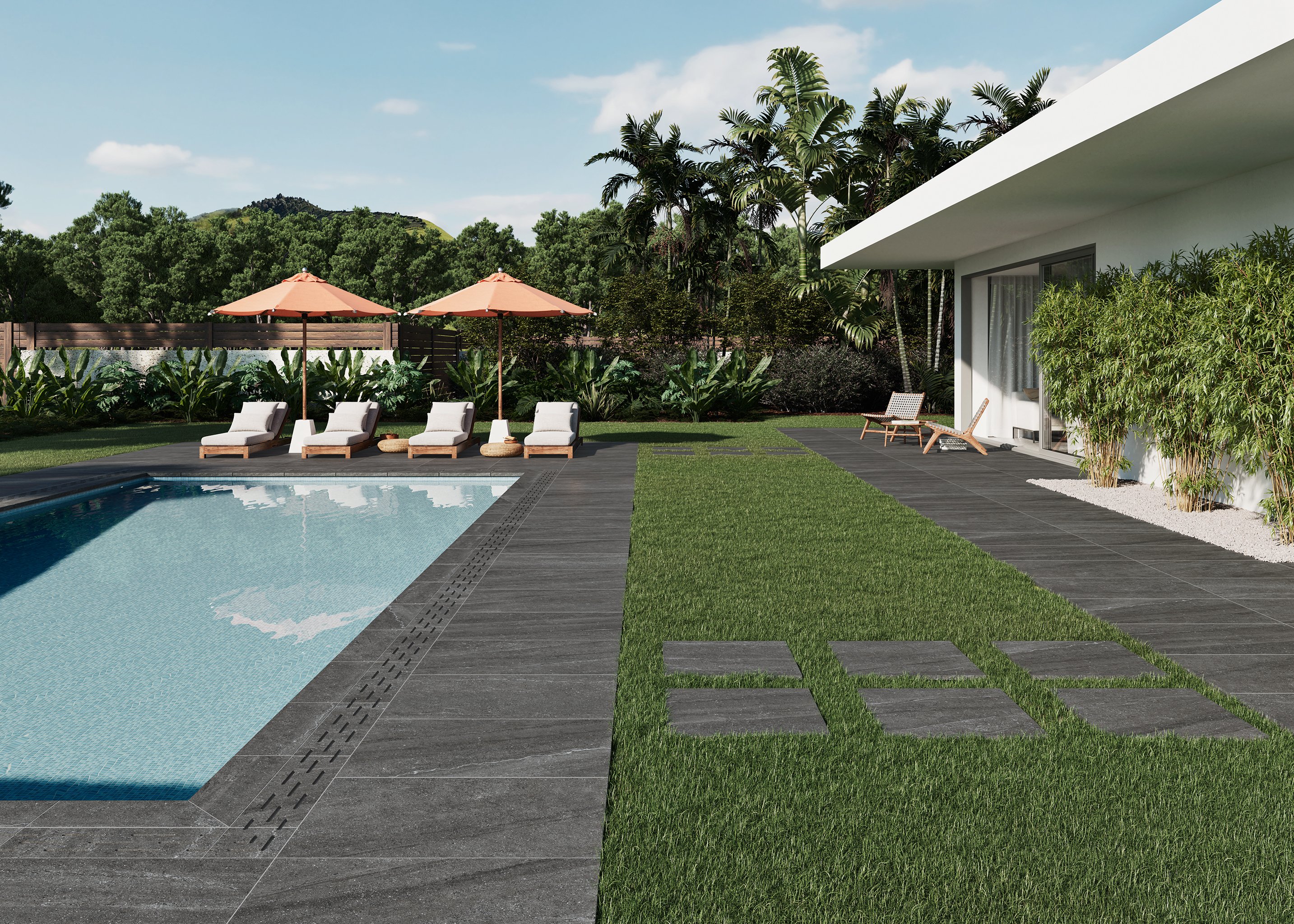
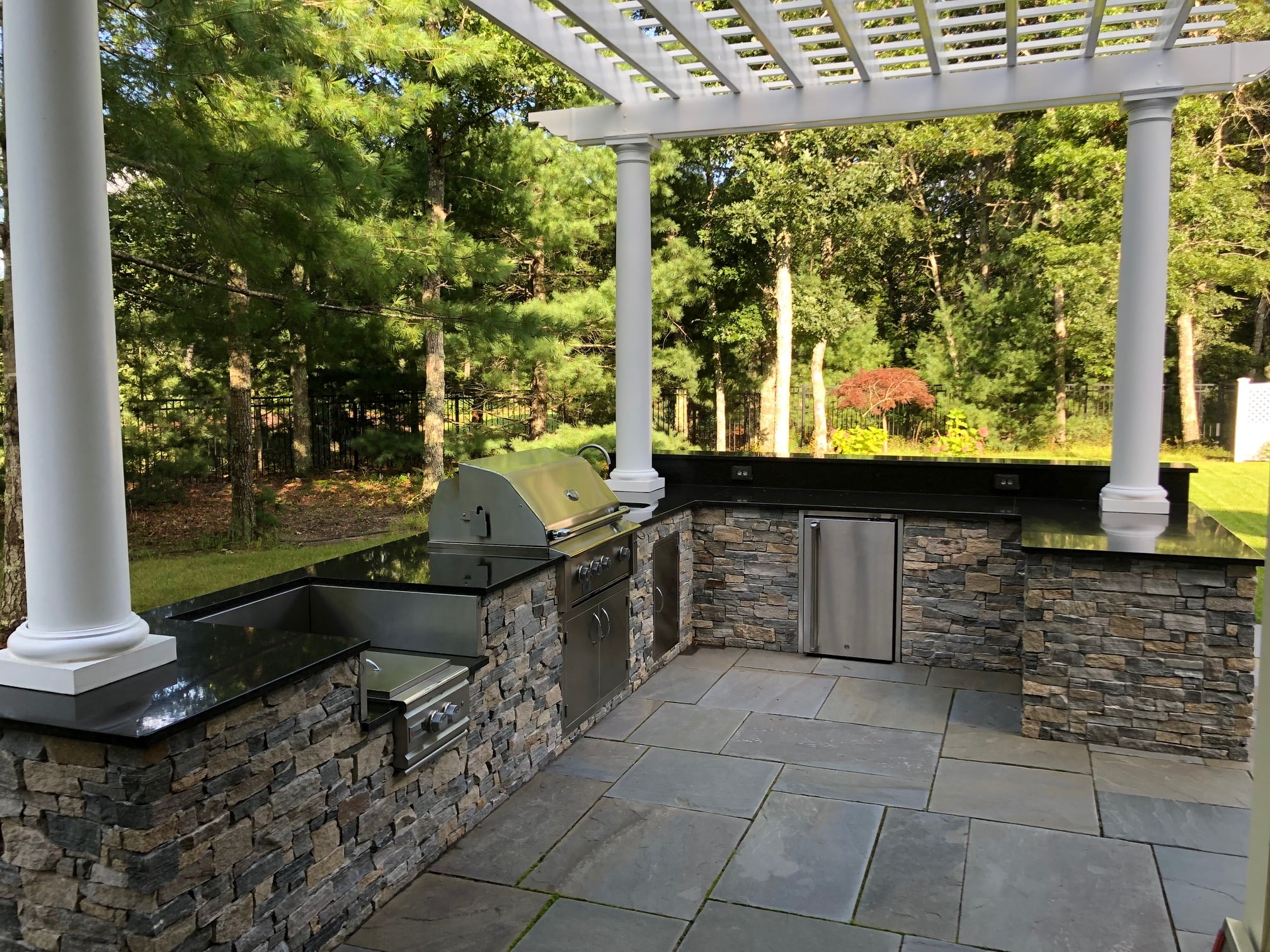
Modern cutting technology has made clean, precise fabrication onsite a reality. Installation methods have evolved too—systems like TRASS bedding now allow porcelain to be installed on permeable bases, opening the door to more sustainable, adaptable builds without relying on rigid concrete foundations. And then there’s scale. Porcelain is no longer limited to paving. Large-format panels (some reaching 6 feet by 10 feet) are redefining how we think about vertical surfaces. From cladding outdoor kitchens to creating seamless feature walls in back porches, it’s a robust, design-forward solution that performs as well as it looks.
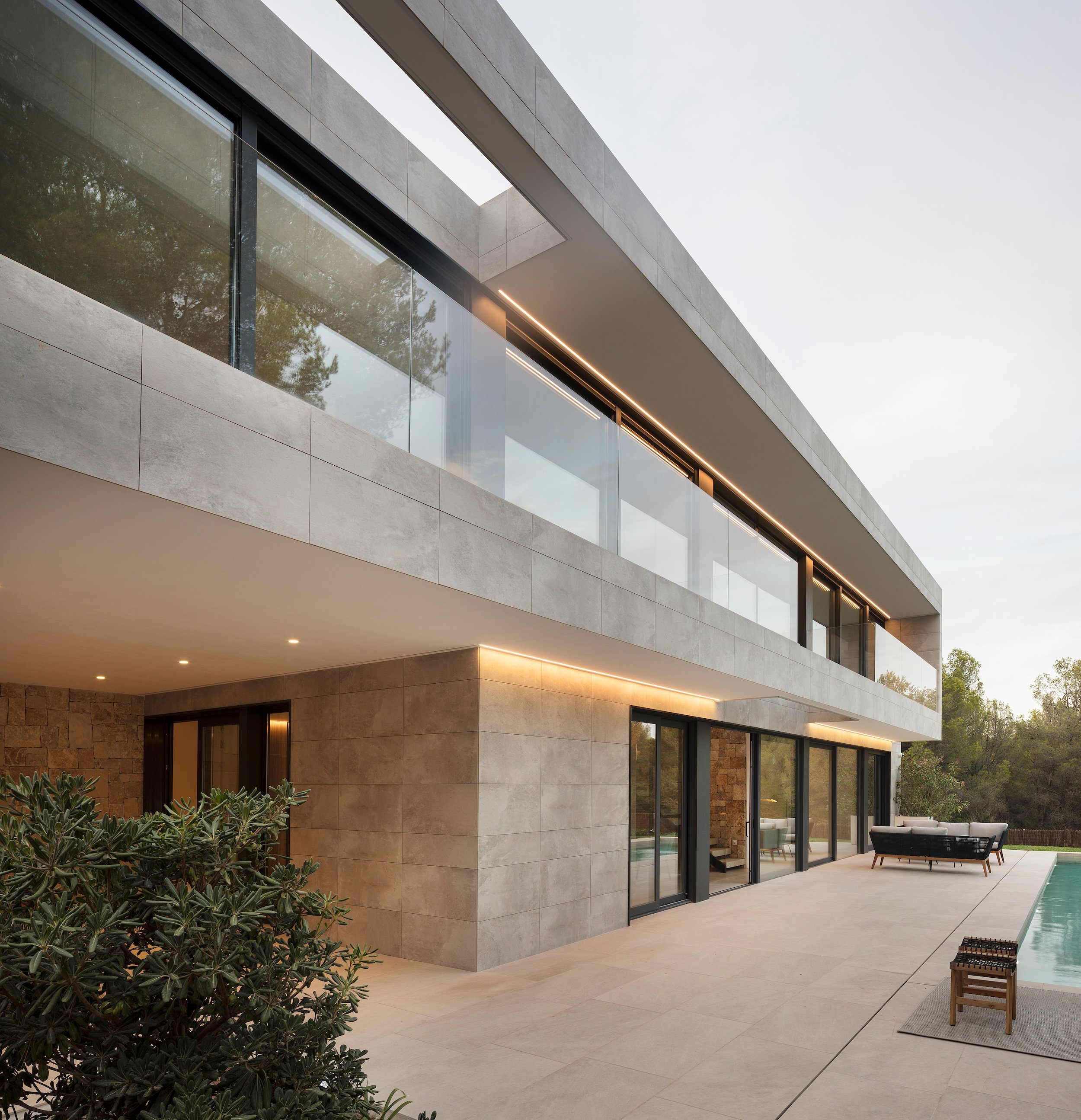
What’s driving this explosion in use? Technology. New manufacturing processes can now 3-D print the graphic and the texture simultaneously, creating finishes that are nearly indistinguishable from natural stone. We saw it firsthand at the Coverings show in Las Vegas this March. Walking the floor, it was hard to believe what we were looking at wasn’t quarried material. Porcelain has caught up to the vision designers have always had and, in many ways, surpassed it. So the question isn’t whether porcelain works. It’s why you’re not using it yet.

1 min read
Angelica & Matt Norton : Jul 28, 2026, 9:24:09 AM
Highlights from our SYNKD Live panel bringing landscape architects together with maintenance professionals
1 min read
 Angelique Robb : Sep 11, 2026, 5:42:33 PM