

4 min read
How thoughtful material selection, drainage and maintenance planning can help outdoor spaces weather the colder months.
Outdoor living spaces continue to be a priority for homeowners, with patios, water features and other amenities turning backyards into extensions of the home. For homeowners, most of their focus is on how the finished space will look and function. So, it’s up to the contractor to make sure that space can stand up to whatever the weather brings — including snow and ice.
By selecting the right materials, considering drainage, and helping homeowners understand proper maintenance, contractors can set clients up for spaces that not only look great, but are built to last for the winters ahead.
Selecting the right hardscape materials
While a client may be focused on how the space looks, it’s up to the contractor to ensure the materials used in the build will perform in the cold. Not all materials are built to withstand the freeze-thaw cycles or heavy snow that many regions experience.
For climates prone to deep freezes, natural stones like granite and limestone resist water absorption, lowering the risk of cracks or erosion. Their natural durability makes them ideal for areas with severe cold.
For contractors looking to use concrete, certain pavers are engineered to perform in regions with fluctuating temperatures. Their built-in air pockets allow for controlled expansion and contraction, helping reduce the potential for cracking often caused by freeze-thaw cycles.
Permeable pavers are also a strong choice. They’re designed to allow water to pass through them instead of pooling and freezing on the surface. Beyond improving safety, permeable pavers help reduce the potential long-term damage caused by water sitting on or beneath the hardscape.
As with any material, however, contractors should consider the specific stone and its intended application before making a selection.
Make sure the water has somewhere to go
During the planning phase, contractors also need to consider how water will move through an outdoor space. If water becomes trapped in or beneath a landscape and freezes, it can expand and cause damage like cracking, shifting, or heaving. That’s why integrating a comprehensive drainage system during the initial design and installation phase is essential.
Start by grading surfaces at a slight angle to direct water away from critical areas, such as walkways, patios, or retaining walls. For larger hardscape projects, French drains, channel drains, or permeable paver systems can funnel water away effectively.
For existing spaces, contractors should also inspect and clear drainage systems of debris before winter begins. Keeping drains and other water-management systems clear can help maintain water flow as temperatures fluctuate and snow and ice begin to melt.
Protect hardscape surfaces and joints
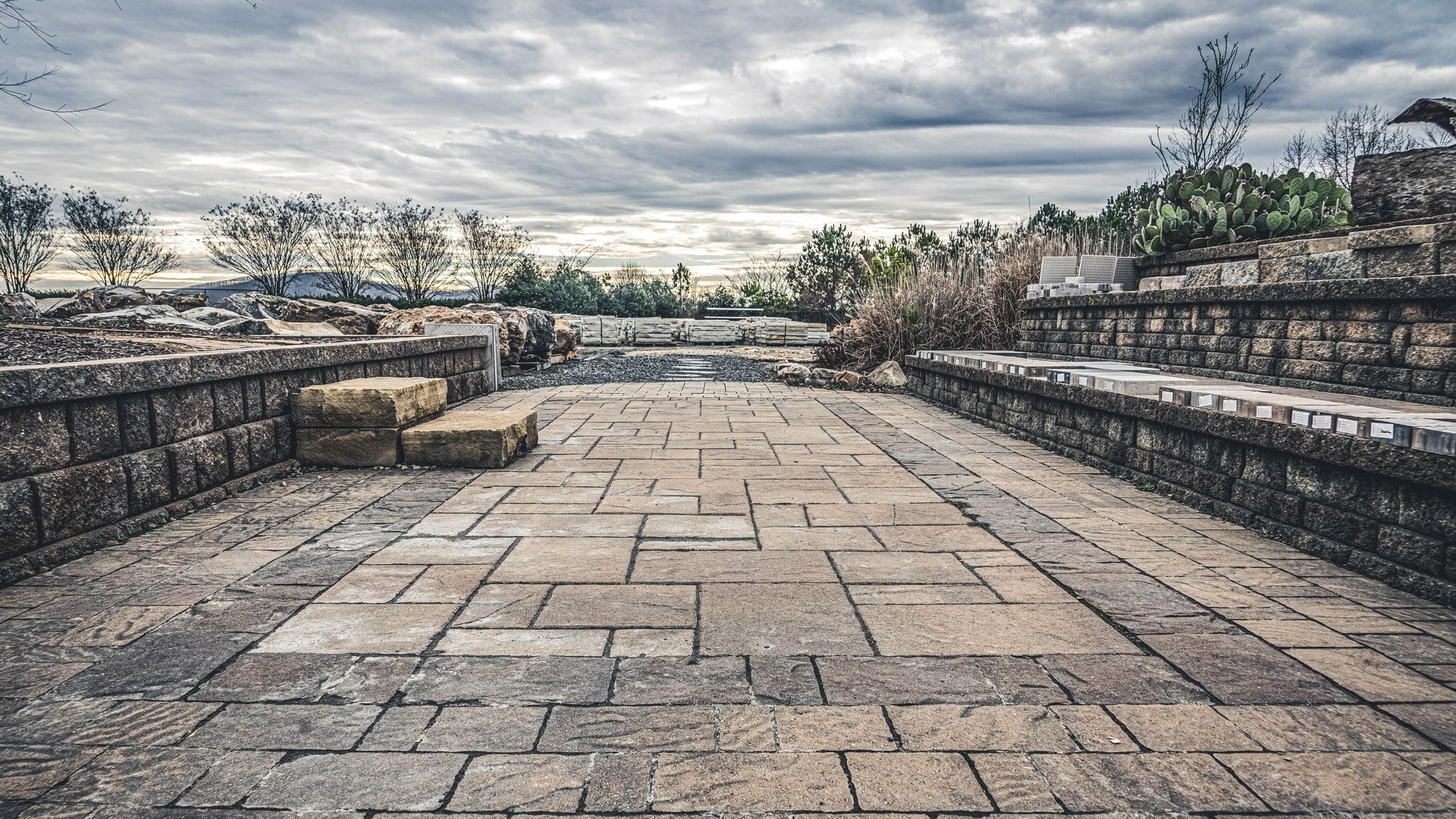
With the right materials in place and a solid foundation for drainage, contractors can turn their attention to protecting surfaces and joints. A high-quality sealant can help act as a barrier against moisture, salt, and freeze-thaw damage on the surface of hardscapes. Not every material or application will call for the same type of sealer, so consider the surface, desired level of protection and manufacturer recommendations before applying any products.
Joints also deserve attention before winter. A thorough inspection of the outdoor space can reveal where sand needs to be replenished. That small step can help to maintain the integrity of the installation and minimize opportunities for water to seep in, freeze and expand.
Winterize water features
Another important outdoor installation that needs attention during freezing temperatures is water features. The key to preventing damage is to properly drain and winterize the system before temperatures drop.
The appropriate process will depend on the type of system. For irrigation systems, start by shutting off the water supply and draining the system’s pipes to remove as much water as possible. Then, use compressed air to blow out any remaining water from the lines. Even a small amount of water can freeze and cause damage. In regions that experience prolonged freezes, insulating any exposed piping or installing heat tape can provide additional protection.
Depending on the type of feature, contractors may need to drain, remove, cover or protect pumps, plumbing and other equipment, too. The right approach can vary considerably between a pond, fountain, waterfall or other water feature, so winterization should be based on the specific installation and local climate.
Give clients a winter maintenance plan
One of the biggest values contractors can provide their customers is advising them on how to best maintain their hardscape once it’s installed. That includes helping them understand how to remove snow and ice from their spaces without damaging the hardscape.
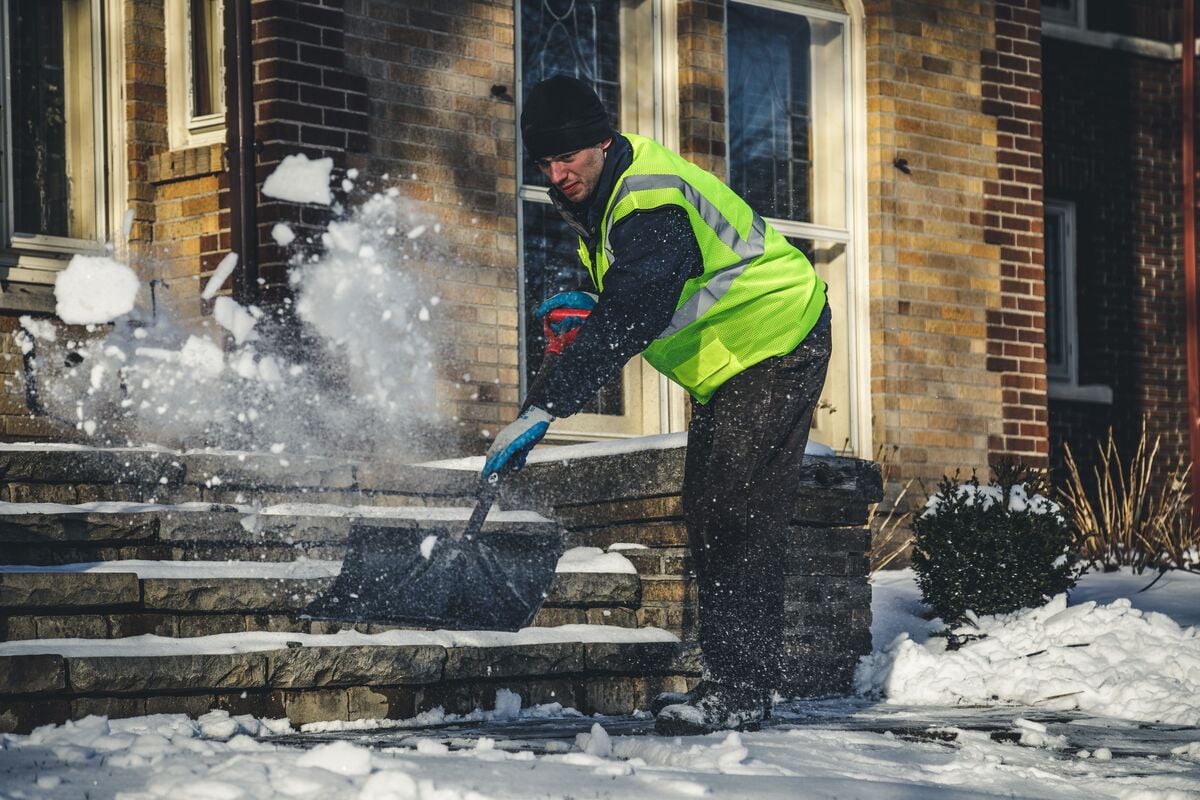
Talk with clients about the type of shovel they use. For instance, metal-edged shovels can scrape and chip pavers and natural stone. Instead, contractors can recommend that clients use plastic or rubber-edged tools, which are gentler on these surfaces.
For areas that receive enough snow to use a snowblower, let clients know that the blade or auger should be set high enough to avoid scraping the surface. In areas with permeable pavers, clients need to take caution when plowing to avoid dislodging stones or disturbing the joints between them.
Some clients may also want to use deicing products on potentially slippery surfaces. While deicing salts, such as sodium chloride and calcium chloride, help with safety, they can corrode hardscape surfaces, erode joints, and cause staining. A more material-friendly option is magnesium chloride, which is less corrosive while still effective at melting ice. Contractors should follow the manufacturer’s recommendations for any deicing products.
By giving clients a clear plan for maintaining their outdoor space, contractors can help protect the work they've completed throughout the winter.
A proactive approach to winter
A successful hardscape should be designed with more than the installation day in mind. Considering how materials, drainage and water-dependent features will perform through the winter can help minimize damage and give clients an outdoor space they’ll be excited to reopen every spring.
Ian Freeman is Director of Hardscapes Category Management at SiteOne Landscape Supply, where he leads category strategy, vendor partnerships, and initiatives for a national hardscape product portfolio. With 20 years in hardscape products, he drives decisions that support sales growth, margin expansion, and operational excellence. Based in Roswell, Georgia, Ian collaborates closely with executive leadership, regional teams, and supplier partners to deliver value for customers and strengthen category performance.