

1 min read
Q&A: Rethinking Sustainability
 Angelique Robb : Aug 3, 2026, 5:40:26 PM
3 min read
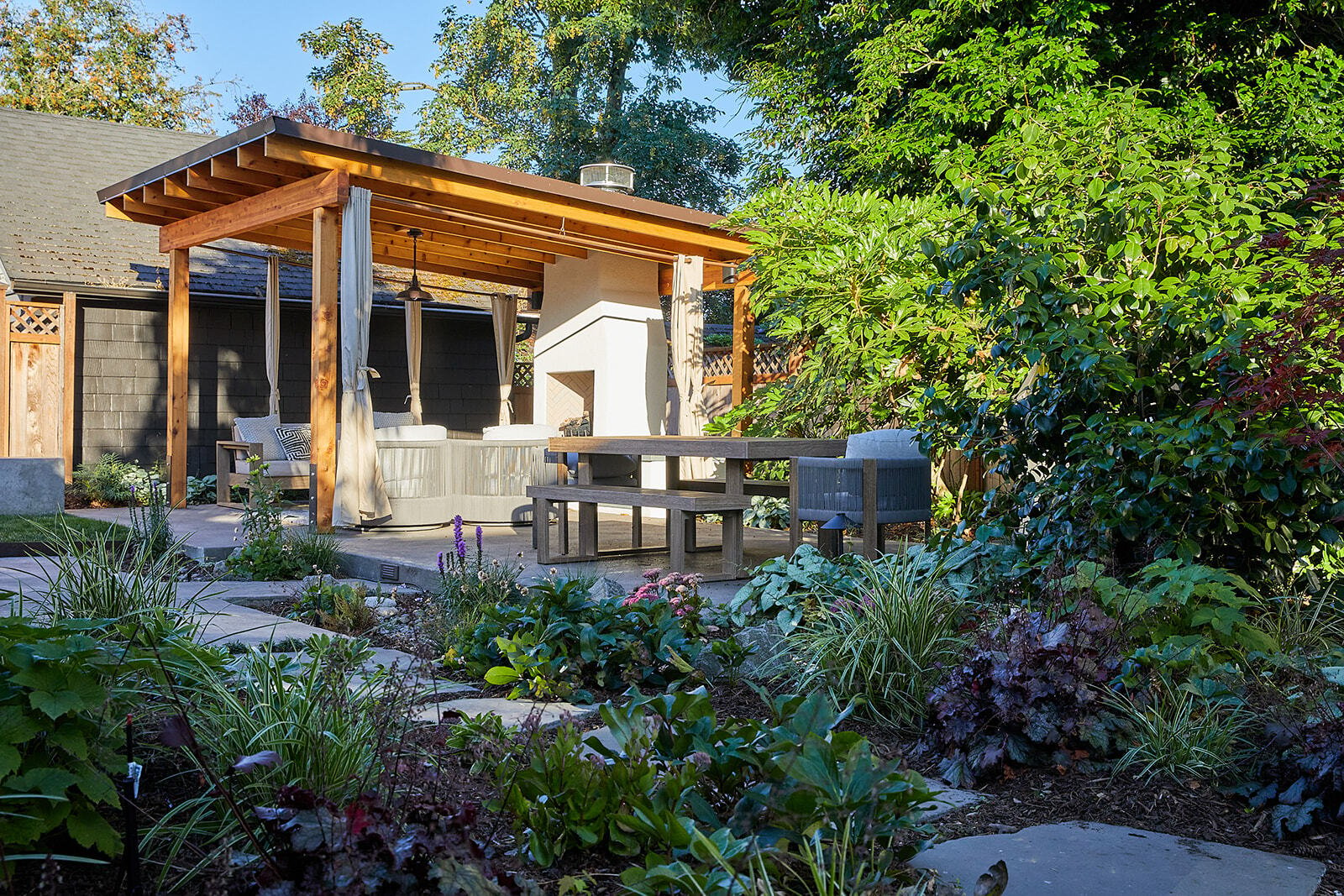
When we talk about the value of a landscape, the conversation usually starts with the practical. Healthy soils. Effective drainage. Habitat creation. Reduced maintenance over time. These are measurable outcomes and, for decades, they've been the foundation of good landscape design. But there is another layer that deserves just as much attention. A well-designed landscape isn't simply good for a property—it can be good for the people who use it. This isn't just a feel-good sentiment. A growing body of research suggests that spending time in healthy outdoor environments can influence everything from stress levels and immune function to sleep quality and mental well-being. As our understanding of human health continues to evolve, landscapes are increasingly being viewed as more than aesthetic investments. They are environments that actively shape our daily lives.
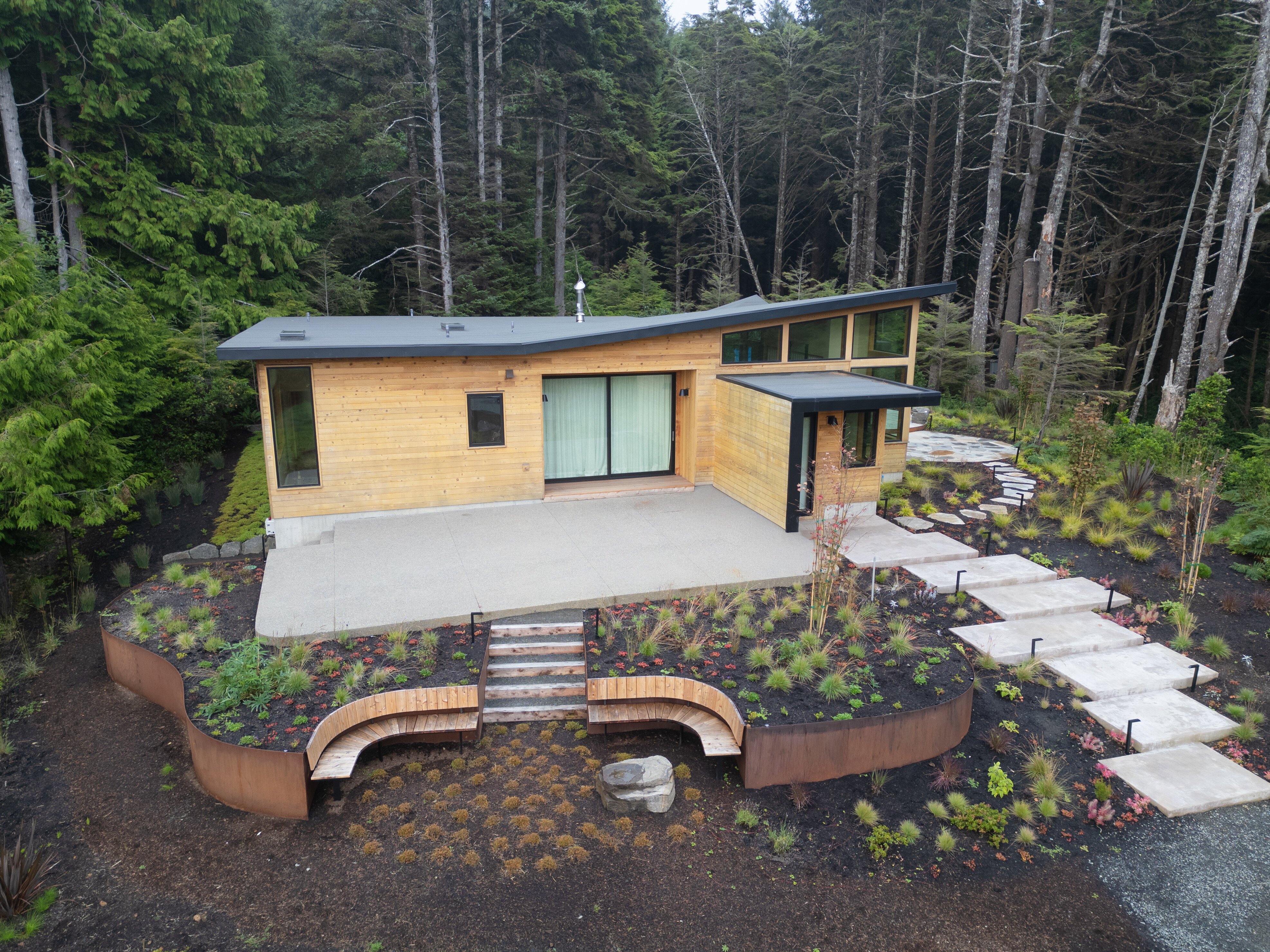
Healthy soil is alive. Beneath every thriving landscape is a complex community of microorganisms working continuously to support plant growth. Researchers are now finding that some of those same organisms may also benefit the people who interact with them.
One of the most studied examples is Mycobacterium vaccae, a naturally occurring soil bacterium. Research has shown that exposure to this organism can stimulate serotonin production, improve the body's ability to cope with stress and reduce inflammatory responses. Some researchers have even described its effects as similar to those of a natural antidepressant.
Additional studies have found that regular contact with biodiverse soil can improve immune regulation by increasing beneficial microbial diversity on the skin. In other words, getting your hands dirty may be doing more than connecting you with your garden—it may also be supporting your immune system.
For landscape professionals, this reinforces something many have long understood intuitively: soil isn't simply a growing medium. It's a living system worth protecting. Practices that preserve existing soil biology rather than stripping and replacing it can have long-term ecological benefits while also supporting healthier outdoor environments for the people who spend time there.

Research has consistently shown that simply seeing plants and natural landscapes can reduce stress and improve physiological responses. Studies have measured lower blood pressure, improved mood and reduced mental fatigue when people are exposed to living green spaces—even through a window. Our nervous systems evolved in close relationship with natural environments. While modern life often takes place indoors, our brains continue responding positively to the visual complexity and patterns found in healthy plant communities.
Is a landscape simply filling space, or is it creating an environment that encourages restoration?
Layered planting, seasonal diversity and thoughtfully designed outdoor rooms do more than create visual interest. They encourage people to spend time outside, reconnect with nature and experience measurable health benefits in the process. For landscape architects, contractors and maintenance professionals alike, these decisions influence far more than curb appeal.
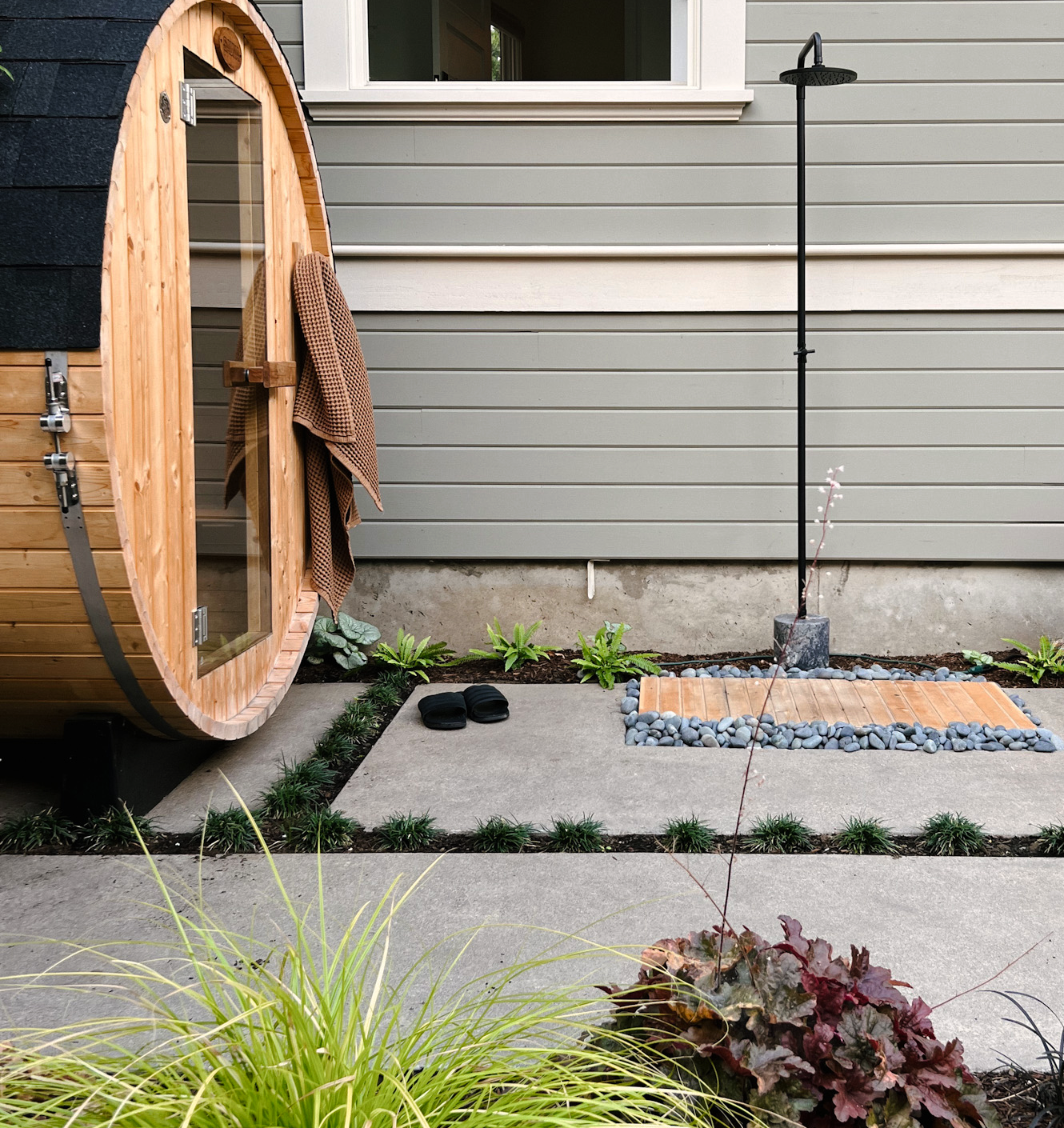
Sunlight has always been an important consideration in landscape design, but recent research suggests its timing may be just as important as its presence. Morning light plays a significant role in regulating circadian rhythms, improving sleep quality and supporting healthy hormone production. Access to shade later in the day reduces heat stress while making outdoor spaces more comfortable and usable throughout changing seasons. Successful landscapes often provide a variety of experiences throughout the day rather than a single destination.
A morning coffee patio, an afternoon retreat beneath tree canopy and an evening gathering space each encourage occupants to engage with the landscape differently. These spaces aren't simply amenities—they reflect thoughtful planning around how people naturally use outdoor environments. Designing with the sun in mind creates landscapes that feel comfortable, functional and inviting long after installation.
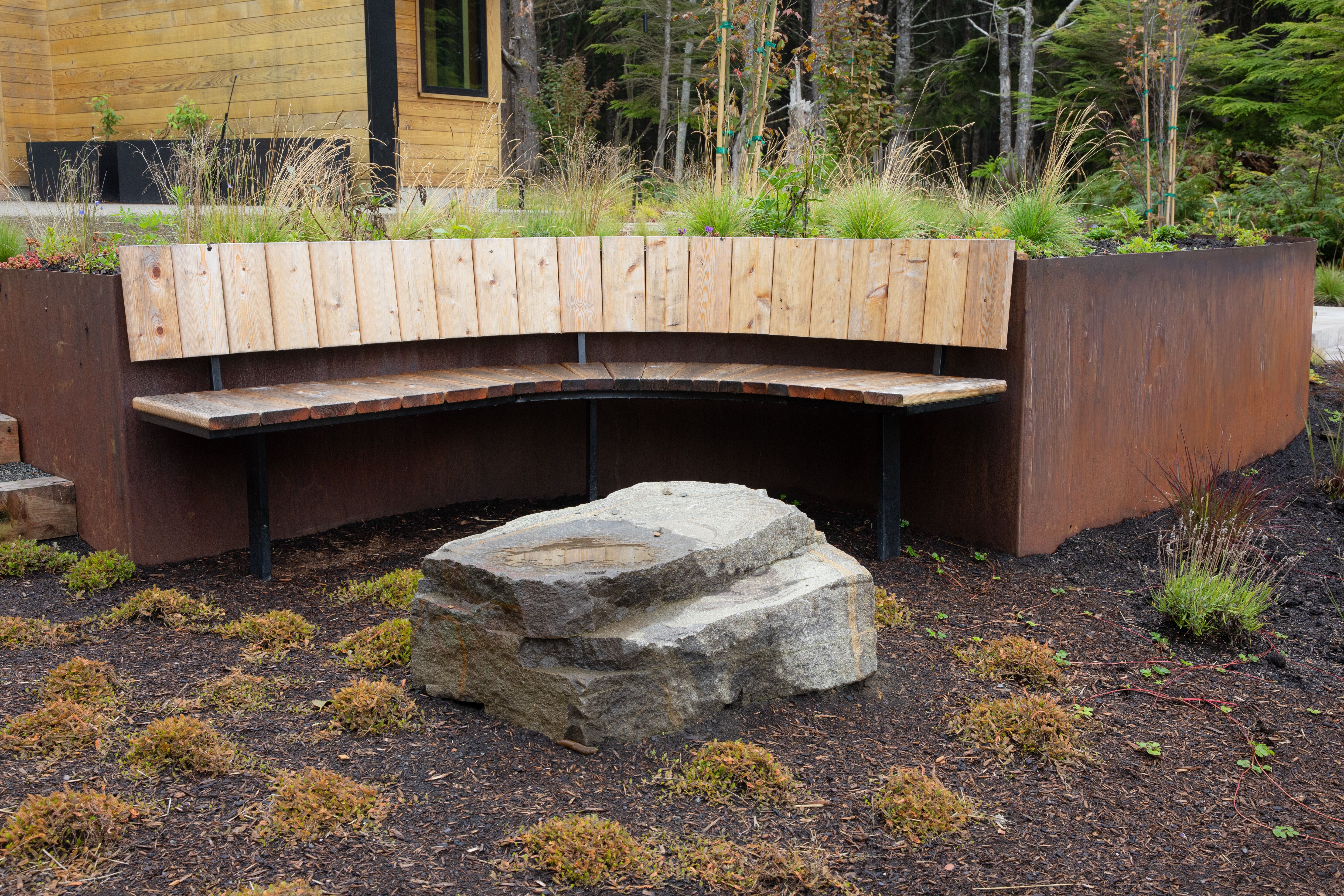
The landscape industry has traditionally emphasized how a project looks when it's completed. Finished hardscapes. Fresh mulch. Perfectly installed plant material. Those first impressions matter, but they represent only one moment in a landscape's life. The real success of a landscape is measured over years, even decades.
Healthy soils continue supporting plant communities. Diverse vegetation becomes habitat. Trees mature into shade canopies. Outdoor spaces become places where families gather, children play and people recover from busy lives.
Increasingly, research suggests these long-term benefits extend beyond ecology into human health. A landscape that functions ecologically often functions better for the people living within it. That perspective changes how the industry approaches design, construction and maintenance. It shifts the conversation from creating attractive landscapes to creating resilient environments that continue delivering value long after installation.
The science connecting nature and human health continues to grow, but its message is becoming increasingly clear. Healthy soil matters. Living plant communities matter. Access to sunlight, shade and biodiverse outdoor environments matters.
For landscape professionals, these findings reinforce the importance of thoughtful, long-term design decisions. Every choice—from preserving soil biology to selecting diverse plant communities—has the potential to influence not only the health of a landscape but also the well-being of the people who experience it every day.
As the industry continues to embrace sustainability and resilience, perhaps it's time to expand how we define landscape performance. A successful landscape isn't measured solely by how it manages water, supports wildlife or withstands the seasons. It's also measured by how it supports the people who call it home.

1 min read
 Press Release : Jun 23, 2025, 9:11:51 AM
The American Society for Landscape Architecture (ASLA) has announced the five-member Task Force and 33-member Advisory Group that will develop its...

1 min read
 Deborah Cole : Dec 14, 2022, 3:58:41 PM
Deborah Cole Explores the Benefits of Giving Back