

 Angelique Robb
1 min read
Why Even Experienced Landscaping Business Owners Need Outside Perspectives
 Angelique Robb : Jun 9, 2026, 1:55:47 PM
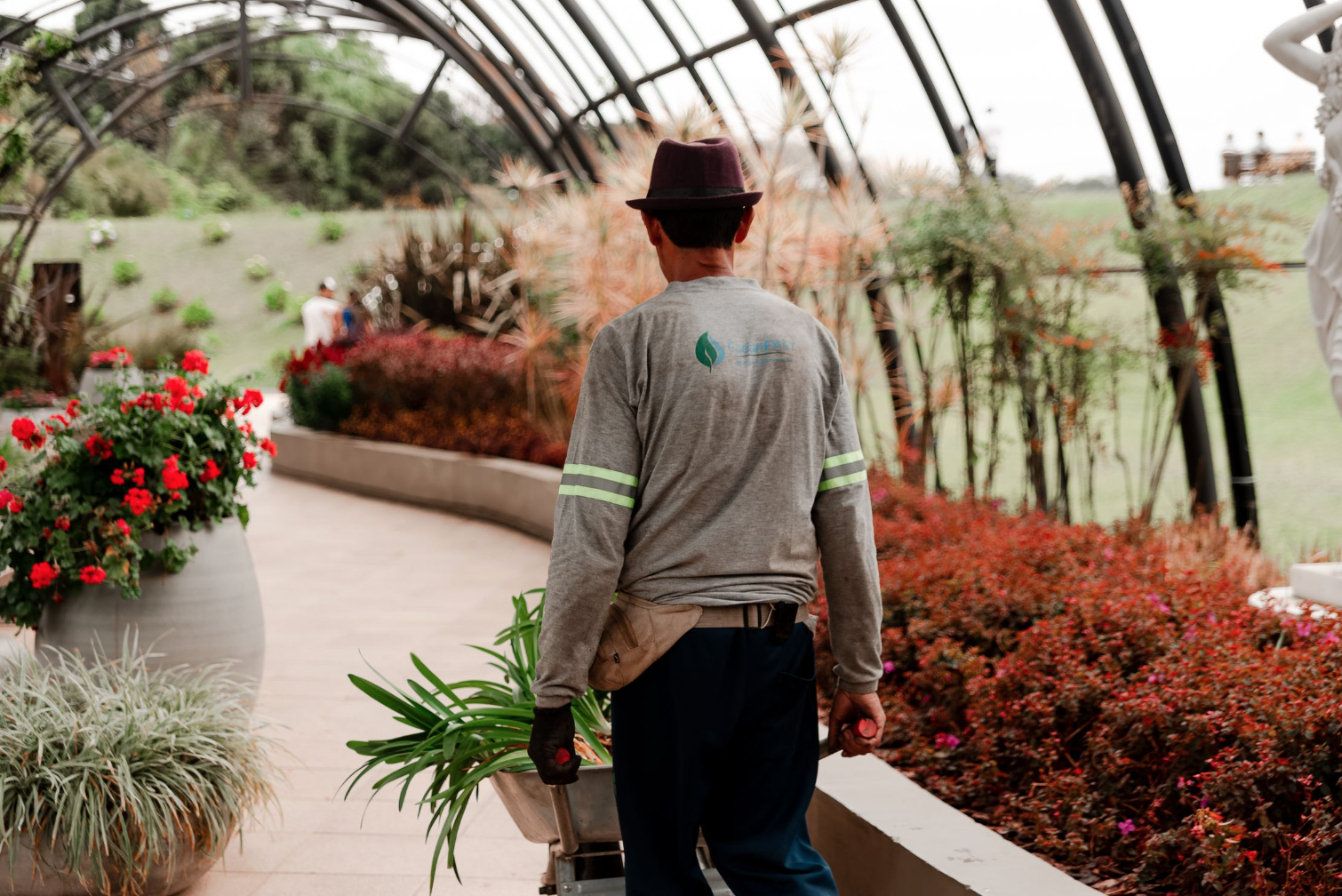
Landscaping project planning now requires cross-disciplinary collaboration because modern outdoor living projects involve too many overlapping systems, trades, and long-term considerations to plan each phase independently.
A lot of landscaping companies still operate like every part of a project exists separately. Design, construction, and maintenance often operate independently from one another. Different trades complete their portion of the work, then move on to the next phase. But projects don’t function that way anymore.
Today, one decision can affect the entire lifecycle of a property.
A change to hardscape elevation can impact drainage across the entire property. That drainage adjustment may affect irrigation planning, planting conditions, maintenance access, and even how people move through the space once the project is complete.
The challenge is understanding how every part of the project influences the others from the beginning.
That’s why the companies leading the future of the landscaping industry will understand how design, construction, maintenance, operations, and function all connect together.
Siloed landscaping companies struggle on more complex projects because they require constant coordination between multiple systems and specialized teams that all affect one another throughout the project.
When teams operate independently, important decisions often happen without enough visibility into how other systems, trades, and long-term requirements will be affected later. As projects become larger and more specialized, those disconnects become harder and more expensive to manage.
Teams spend more time revisiting completed work, solving preventable conflicts on site, adjusting timelines, and reacting to problems that could have been identified earlier through stronger coordination between teams.
That fragmentation exists across the industry itself. According to a Future Market Insights study, the landscaping industry is fragmented, with a diverse mix of large-scale service providers, regional players, and specialized landscaping firms.
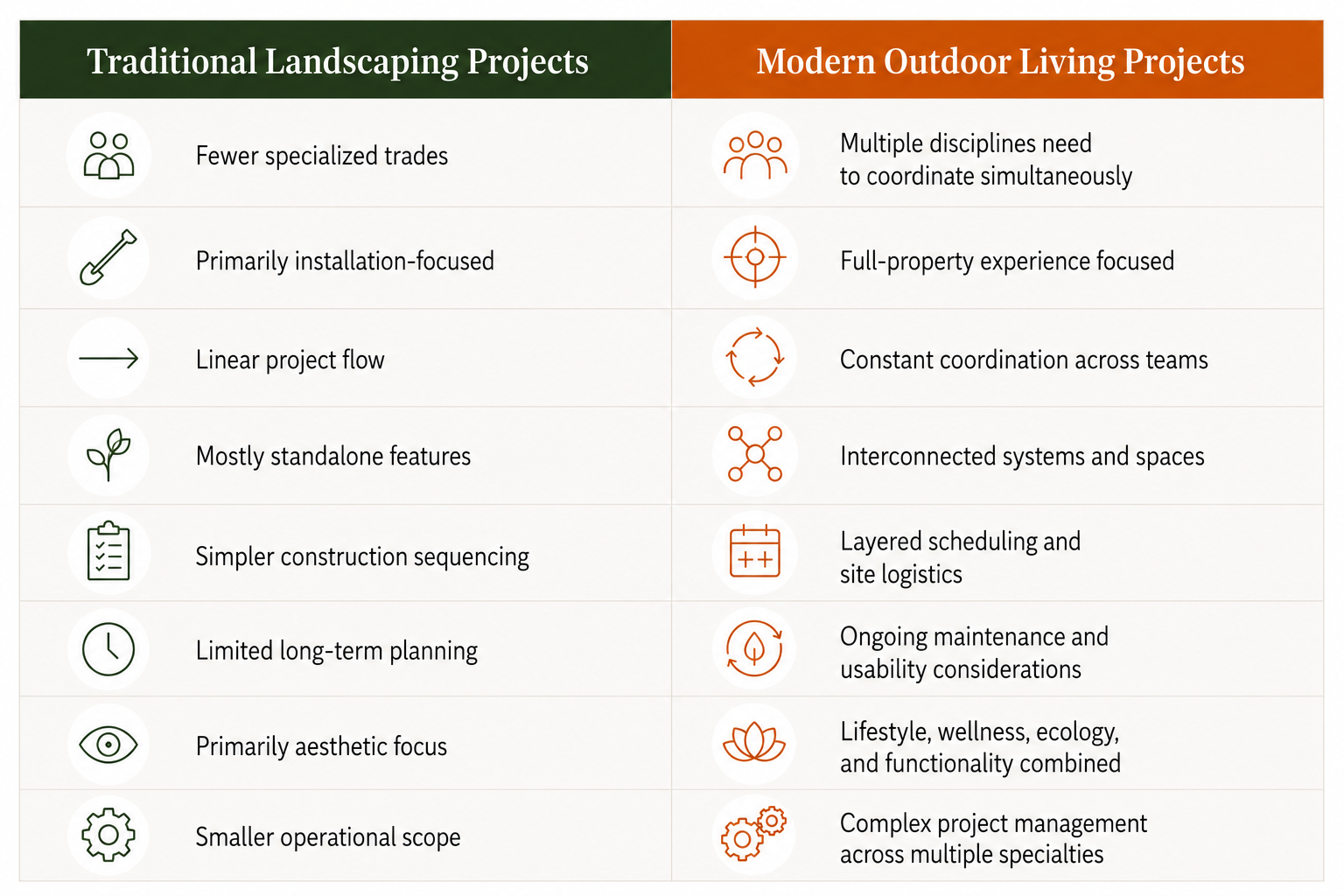
Those disconnects often show up in ways like:
The landscaping companies gaining momentum right now think beyond their immediate role. They pay closer attention to how different trades affect one another and how the property will function long after installation wraps up.
Better landscaping project planning requires earlier collaboration because many of the decisions made during design and construction directly affect other teams later in the project.
When landscape architecture, maintenance, irrigation, lighting, construction, and specialty trades collaborate earlier, teams can identify conflicts, limitations, and opportunities before installation begins instead of reacting to problems later on site.
That early coordination directly affects:
The strongest projects come from teams that stay involved beyond their immediate scope of work and approach the property more collaboratively from the beginning.
Cross-disciplinary collaboration improves landscaping project planning by helping teams coordinate decisions earlier, reduce preventable conflicts, and build projects that function more cohesively once construction is complete.
Many projects still get planned separately. One team focuses on installation. Another focuses on planting. And another handles lighting or irrigation. But once construction starts, all of those systems affect one another, whether they were planned together or not.
That often creates avoidable problems during construction, especially when one field adjustment affects multiple teams working on the same project. Integrated planning helps teams identify those issues before they become larger operational problems.
Early coordination directly affects:
Integrated planning also gives teams more flexibility once construction begins. Projects rarely unfold exactly as expected, especially on larger environments with multiple moving parts.
When teams understand how different systems, trades, and priorities connect together, they can adapt more efficiently without creating larger downstream problems elsewhere on the property.
Leading landscaping companies use integrated project planning by bringing multiple disciplines into the planning process earlier so projects function more cohesively.
Instead of treating design, construction, maintenance, lighting, ecology, and user experience as separate conversations, stronger teams coordinate those decisions from the beginning.
Projects planned this way feel more intentional because teams make decisions around a shared vision for the property instead of treating each phase independently.
Here are three real-world examples of what that looks like in practice.
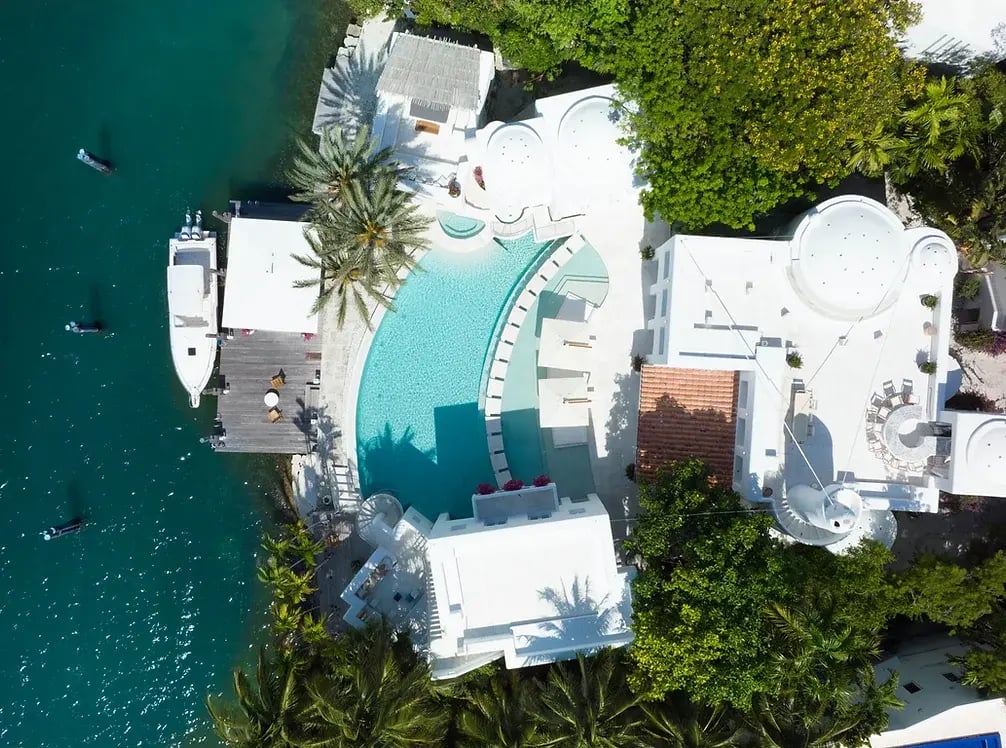
Smart Aquatics shows how integrated project planning becomes essential on highly complex projects involving multiple specialized teams.
They regularly work on projects that require architects, landscape architects, lighting designers, engineers, builders, automation teams, fabricators, and specialty contractors to coordinate throughout both planning and construction.
Founder Jonny Nalepa explained during a conversation with me that some projects involve “30, 40 disciplines” working together simultaneously.
“It’s one thing to be an expert in your craft,” Nalepa explained. “But the other side of that is where a lot of companies… struggle.”
In his experience, technical expertise alone is no longer enough on larger projects. Your team needs to understand how their decisions affect surrounding systems, other trades, and the overall execution of the property.
Johnny shared an example involving a large private project where a manufacturing issue created major complications during construction. Because Smart Aquatics had recommended the manufacturer and integrated the technology into the structure itself, the problem quickly affected contractors, ownership teams, consultants, and the general contractor.
Instead of immediately playing the blame game, the teams coordinated directly with one another to solve the issue together in real time.
Experiences like that have shaped how Smart Aquatics approaches complex projects. Instead of treating collaboration as a secondary skill, they treat cross-disciplinary coordination as a critical part of the work itself.
As landscaping projects become more specialized, teams need to collaborate more effectively across disciplines instead of operating independently within their own scope of work.
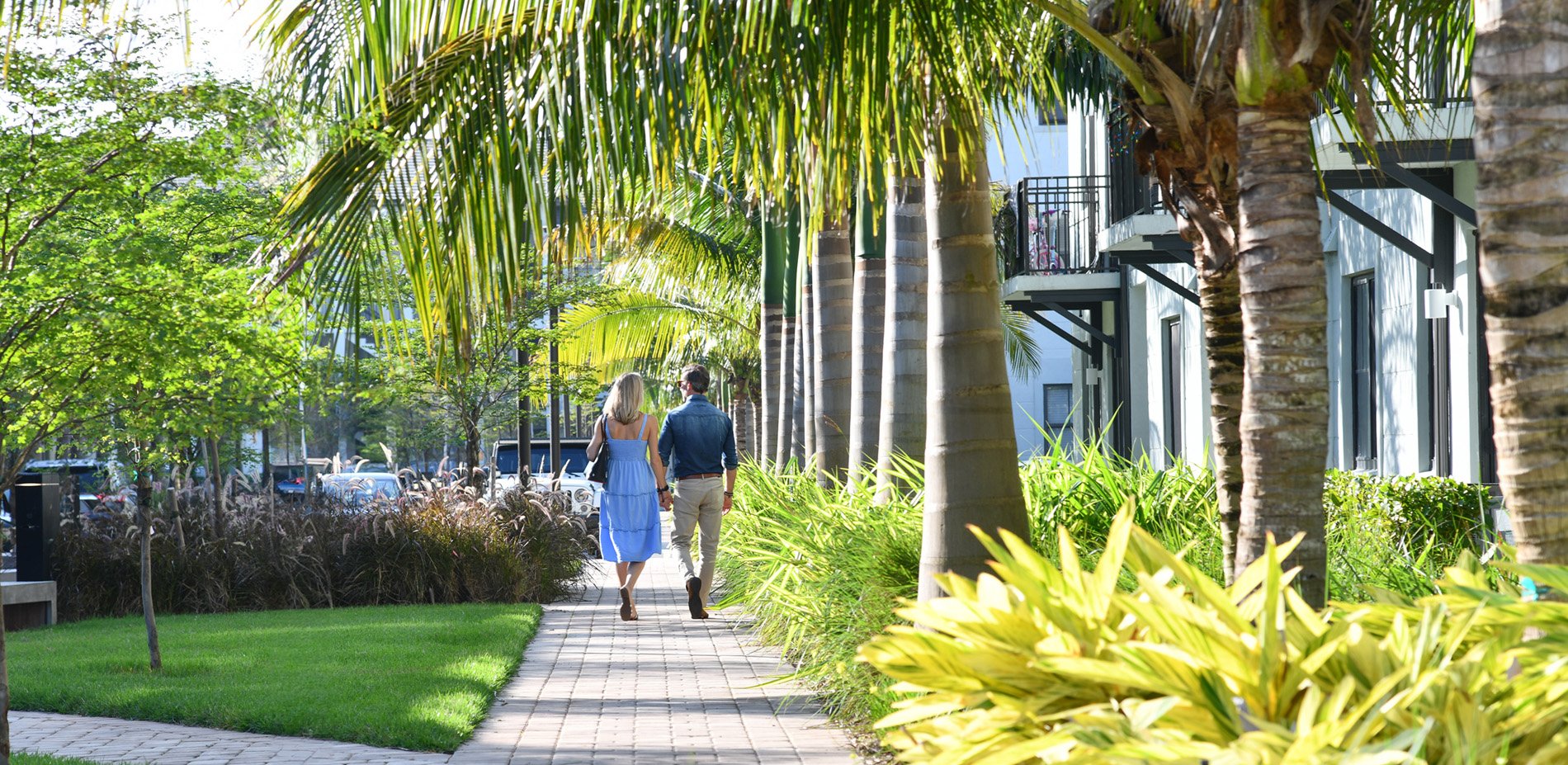
Landscape Design Workshop coordinated developers, architects, landscape architects, wetland consultants, and cultural collaborators around a shared vision that allowed the natural environment to shape the Natura Gardens project from the beginning.
A raised entry road guides you through the wetlands as soon as you enter the property, surrounding you with native landscape, water, and wildlife before you even arrive at the main community spaces.
As you move through Natura Gardens, connected walkways lead you past gathering areas, pools, cabanas, and a raised jacuzzi overlooking the wetlands—creating places where you can sit near the water, watch native wildlife move through the landscape, and experience the Everglades as part of everyday life.
Jenifer Bar-Nur, co-founder of Landscape Design Workshop, explained during a SYNKD on Air episode that the collaboration worked because the entire team shared the same vision for the project. “Everybody felt we were one team and everybody had the vision in mind of the landscape leading the design,” she said.
Landscape Design Workshop also worked with Seminole tribe members to build traditional chickee huts near the wetlands. The structures create shaded gathering spaces while honoring the cultural history of the area.
They designed the amenity spaces around the wetlands so residents could experience the landscape without damaging the ecosystem itself. That early collaboration helped the team create a property where ecological preservation, movement, gathering spaces, and long-term livability work together as one connected environment.
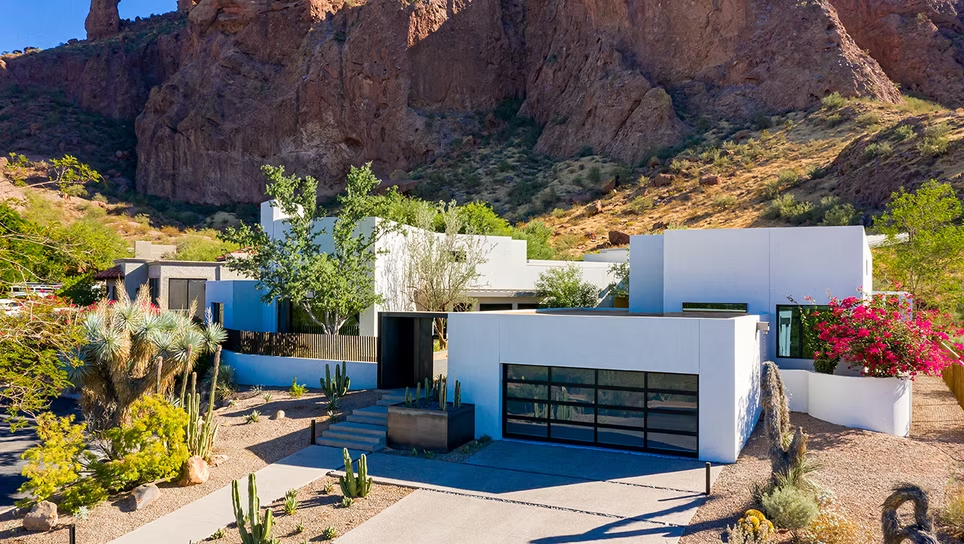
180 Degrees Design + Build integrates design, construction, and fabrication by keeping architects, builders, and fabricators closely connected throughout entire projects instead of separating each phase into isolated handoffs.
Founder James Trahan started the company after becoming frustrated with how often projects lost craftsmanship and design integrity once they moved from design into construction.
That frustration pushed Trahan toward a more integrated business model. The company expanded into construction management, fabrication, concrete work, metalwork, and custom detailing through its in-house fabrication division, The Guild.
“For us, the interior and the exterior are equally important,” Trahan tells me on SYNKD on Air while describing the company’s approach to residential and landscape-focused projects.
The company keeps designers, builders, and fabricators involved throughout the entire project so they can continue refining details as the work evolves.
Trahan shared that they regularly use their in-house fabrication shop to test ideas during the design and construction process. Teams create material mockups, test handrail profiles on CNC machines, and evaluate how different fabrication approaches affect cost, installation efficiency, and the overall experience of the space before final decisions get made.
As the demand for customized projects goes up, the execution gets more and more technically demanding. Companies that can integrate design thinking, construction knowledge, fabrication, and field collaboration gain more flexibility throughout the project lifecycle.
Cross-disciplinary collaboration will matter more in landscaping because the companies that know how to work across specialties will be better positioned to win, manage, and deliver more complex projects.
On more complex projects, cross-disciplinary collaboration changes your role in the process. You stop joining projects after teams have already made major decisions and start joining conversations earlier, while they’re still planning the site and figuring out how everything needs to come together.
You become part of conversations around:
By the time construction starts, the architect already understands the landscape vision, the builder understands the installation challenges, and the specialty trades understand how their work affects the rest of the property. Your projects move forward with fewer disconnects because teams have already solved many of the biggest coordination issues before construction began.
%20trying%20to%20change%20photos%20wo%20messing%20up%20the%20design%20lol.jpg?width=1200&height=630&name=(hazel%20copy)%20trying%20to%20change%20photos%20wo%20messing%20up%20the%20design%20lol.jpg)
The SYNKD Live Phoenix waitlist is now open for landscaping and outdoor professionals who want early access to tickets, speaker announcements, and conversations shaping the future of the industry ahead of the event in Phoenix, happening September 29 through October 1, 2026.
SYNKD Live Phoenix brings together professionals from across the landscaping and outdoor living industry to explore where the industry is headed next.
If you join the waitlist, you’ll receive:
Only 50 Early Bird VIP tickets will be available, and they include full VIP access for the price of regular admission, saving you $400.
Landscaping project planning organizes how a landscape or outdoor living project will function from design through long-term use. It includes site layout, drainage, planting plans, construction sequencing, material selection, lighting, irrigation, maintenance planning, and coordination between multiple trades.
Landscaping projects have become more complex because they now combine more specialized systems, features, and disciplines within the same property. A single project may involve landscape architecture, hardscaping, lighting, pools, irrigation, AV systems, wellness spaces, ecological planning, and long-term maintenance coordination all working together throughout the project.
Siloed landscaping companies struggle on larger projects because decisions made independently create challenges for other teams later in the process. As projects become more layered, disconnected planning can lead to delays, inefficient workflows, maintenance issues, and unnecessary rework during construction.
Cross-disciplinary landscaping project planning means approaching a project more collaboratively from the beginning instead of treating every phase as a separate scope of work. It involves considering how design, installation, drainage, planting, maintenance, lighting, and long-term usability all affect one another throughout the lifecycle of the property.
Collaboration improves landscaping project management because it helps teams identify issues earlier, align timelines more effectively, and make decisions with a broader understanding of how the entire project functions. Projects tend to run more smoothly when designers, builders, consultants, and maintenance teams communicate earlier in the planning process.
SYNKD Live Phoenix is a landscaping and outdoor living industry event taking place September 29 through October 1, 2026 in Phoenix, Arizona. The event brings together professionals across the industry to explore the future of outdoor living, project collaboration, innovation, construction, design, operations, and connected project planning as projects become more specialized and multidisciplinary.
If you want early access to ticket announcements, speaker reveals, event updates, and the limited Early Bird VIP tickets before the public launch—sign up for the SYNKD Live Phoenix waitlist.

1 min read
Angelique Robb : Jun 9, 2026, 1:55:47 PM

1 min read
Angelique Robb : May 19, 2026, 7:11:22 PM
1 min read
Angelique Robb : Jun 15, 2026, 2:33:57 PM